
A flood can leave you feeling overwhelmed, uncertain, and emotionally drained. Whether it was a burst pipe, a severe storm, or rising river waters, the aftermath demands quick, thoughtful action. Knowing exactly what to do after a flood can protect your health, minimize property damage, and help you recover faster. This guide walks you through the essential steps to take once the waters begin to recede.
What to Do After a Flood: Prioritize Your Safety First
Before re-entering your home or beginning any cleanup efforts, confirm that local authorities have declared the area safe. Floodwaters often hide serious dangers beneath the surface, including downed power lines, structural damage, contaminated debris, and unstable flooring. Turn off electricity and gas at the main meters if you can do so without standing in water—if access requires wading through standing water, wait for a professional.
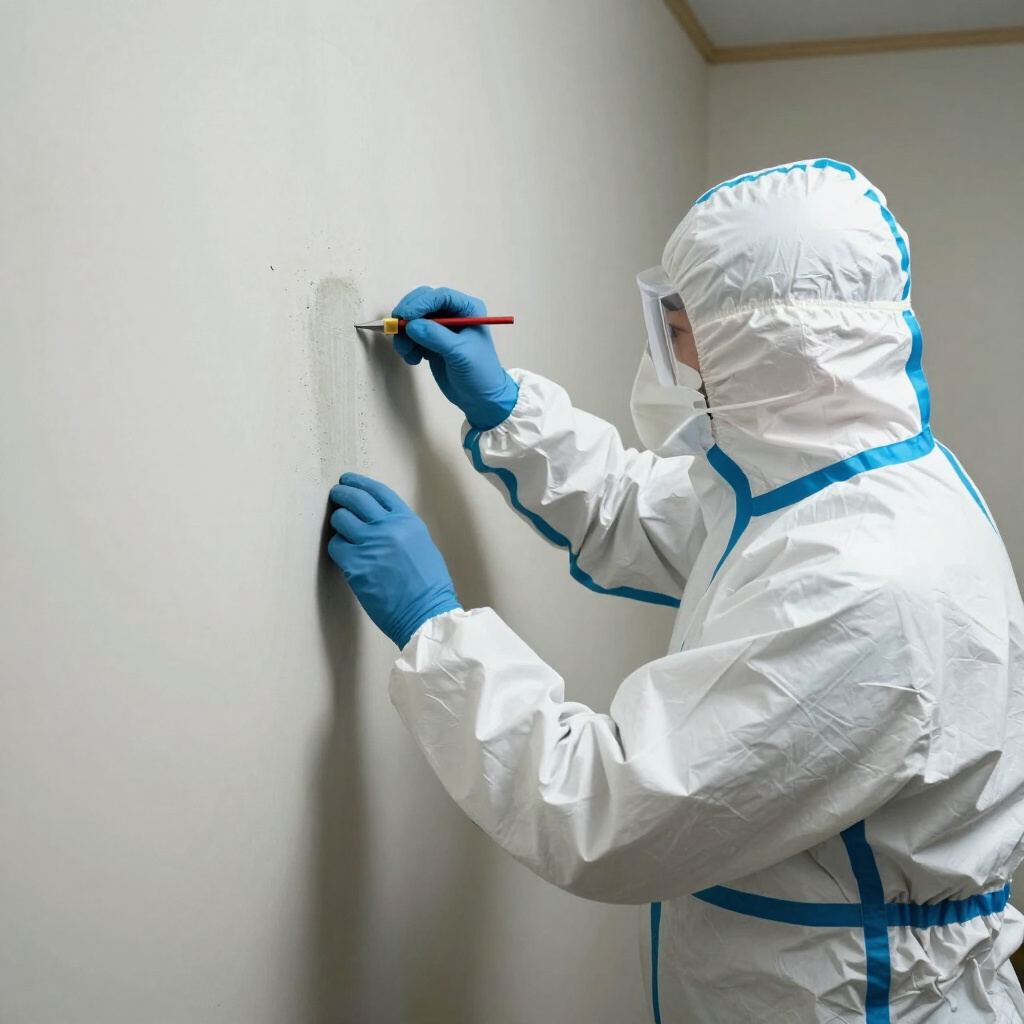
Wear protective gear during your initial assessment: rubber boots, waterproof gloves, long sleeves, and an N95 mask. Floodwater is considered Category 3 black water, meaning it may contain sewage, chemicals, bacteria, and other hazardous materials. Even minimal skin contact can cause illness or infection. Document everything with photographs before you touch or move anything—this visual evidence will prove invaluable for insurance claims.
Be alert for signs of structural compromise. Buckled walls, sagging ceilings, cracked foundations, or doors that no longer close properly indicate potential collapse. When in doubt, have a building inspector or structural engineer evaluate the property before proceeding with extensive cleanup or reoccupation.
Begin Water Removal and Drying Immediately
Time is your greatest enemy after flooding. Mold can begin growing within 24 to 48 hours, and water will continue wicking upward into drywall, insulation, and structural wood. The faster you remove standing water and begin drying, the more of your property you can likely save.
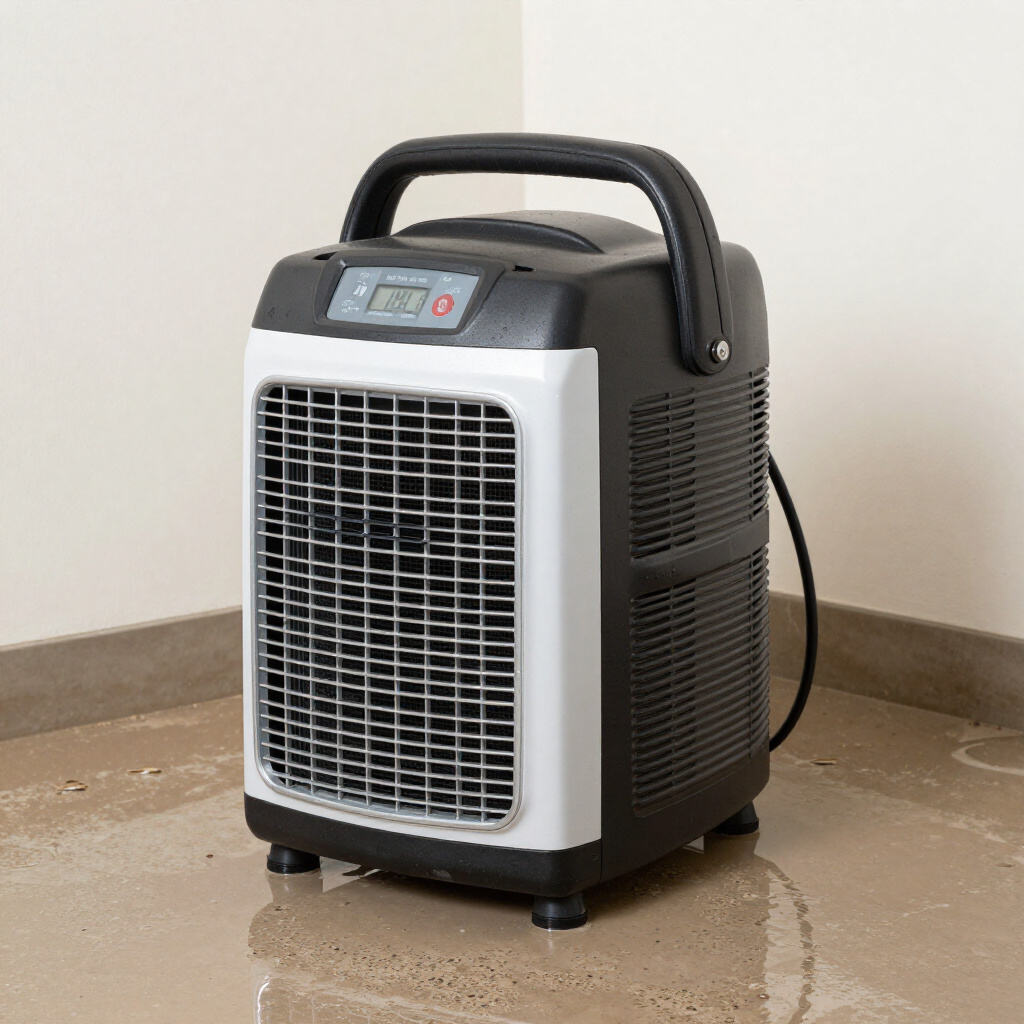
Rent or purchase submersible pumps, wet/dry vacuums, and large dehumidifiers for serious flooding. For smaller incidents, a combination of extraction, ventilation, and dehumidification may suffice. Remove all wet porous materials that cannot be thoroughly cleaned and dried: carpeting, carpet padding, upholstered furniture, mattresses, stuffed toys, and most insulation. These items harbor moisture and contaminants that foster mold and bacterial growth.
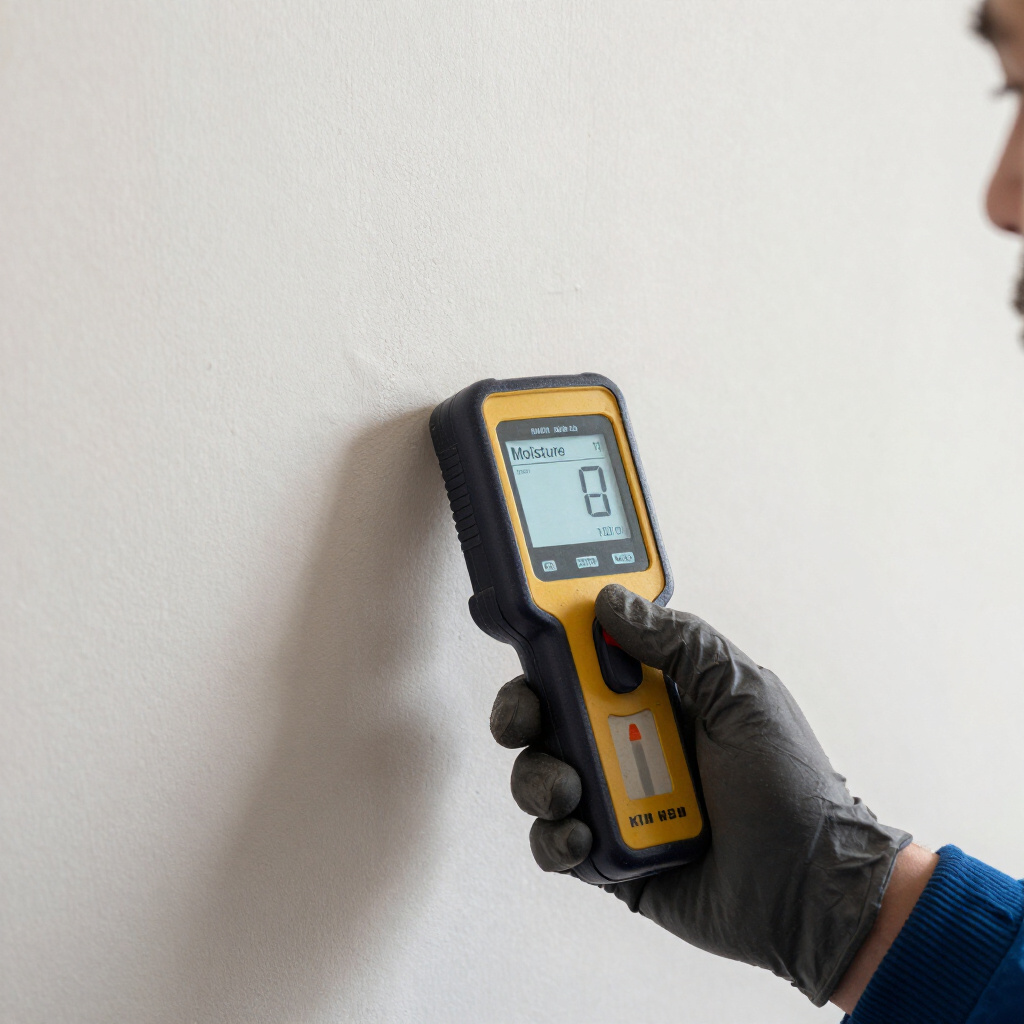
Create airflow by opening windows and using industrial fans, but only if outdoor humidity is lower than indoor levels. Running air conditioning alongside dehumidifiers accelerates drying. Monitor moisture levels with a moisture meter—surface dryness can be deceptive, and hidden dampness in wall cavities and subflooring will cause problems later. Professional water damage restoration companies have specialized equipment like infrared cameras and commercial-grade drying systems that can reach areas household tools cannot.
Clean, Disinfect, and Restore Your Home
Everything touched by floodwater must be cleaned and disinfected. Hard surfaces like flooring, countertops, appliances, and structural elements should be scrubbed with hot water and soap, then treated with a disinfectant solution. Effective options include a bleach solution (one cup of household bleach per gallon of water) or commercial antimicrobial products designed for flood restoration. Never mix bleach with ammonia or other cleaners, as this creates toxic fumes.
Pay special attention to your HVAC system. Floodwater can contaminate ductwork, and running a compromised system will spread mold spores and bacteria throughout your home. Have a professional inspect and clean the entire system before use.
Your electrical system requires evaluation by a licensed electrician. Outlets, switches, wiring, and panels that were submerged typically need replacement. The same applies to gas appliances and water heaters—these pose fire and explosion risks if not properly inspected and serviced.
When replacing materials, consider flood-resistant alternatives for vulnerable areas: tile or sealed concrete instead of carpet, rigid foam instead of fiberglass insulation, and pressure-treated or composite lumber for baseboards and trim. These choices reduce future damage if flooding occurs again.
Key Tips for Navigating Insurance and Recovery
Contact your insurance provider as soon as possible to report the damage and begin your claim. Standard homeowner's insurance does not cover flood damage—you need separate flood insurance through the National Flood Insurance Program or a private carrier. If you lack flood coverage, explore disaster assistance through FEMA or local emergency management agencies.
Keep meticulous records of all expenses, conversations, and actions taken. Save receipts for emergency repairs, temporary housing, equipment rentals, professional services, and replacement items. Photograph damage before and after cleanup. Maintain a written log of phone calls with adjusters, including dates, names, and discussion summaries.
Be wary of contractor scams that proliferate after disasters. Verify licenses, insurance, and local references. Never pay the full amount upfront—reputable contractors typically require no more than one-third as a deposit. Obtain written contracts specifying scope of work, materials, timeline, and payment schedule.
Take care of your emotional wellbeing throughout this process. Flood recovery is physically exhausting and emotionally taxing. Lean on community resources, counseling services, and support networks. Recovery is not linear; setbacks are normal, and asking for help is a sign of strength, not weakness.
Final Thoughts
Understanding what to do after a flood transforms a chaotic situation into a manageable recovery process. Prioritize safety above all else, act quickly to remove water and moisture, thoroughly clean and disinfect affected areas, and navigate insurance claims with careful documentation. While the aftermath of flooding is undeniably difficult, methodical action and appropriate professional assistance can restore your home and help you move forward. The sooner you begin, the better your outcomes will be—both for your property and your peace of mind.