
Water damage doesn't always announce itself with a flood or a burst pipe. Sometimes it creeps in slowly, hiding behind walls, beneath floors, and in the forgotten corners of your home. By the time you notice visible damage, the problem may have already spread extensively, leading to costly repairs and potential health hazards. Learning to recognize the subtle warning signs of hidden water damage can save you thousands of dollars and protect your family's wellbeing. Whether you're a new homeowner or have lived in your house for decades, knowing what to look for is your first line of defense.
Signs of Hidden Water Damage in Your Walls and Ceilings
Your walls and ceilings often tell the earliest stories of water intrusion, even when the source remains concealed. One of the most common indicators is discoloration or staining. Look for yellowish-brown patches, dark spots, or areas where paint appears slightly darker than the surrounding surface. These stains typically grow over time and may change shape after rainstorms.
Texture changes are equally telling. Peeling, bubbling, or cracking paint and wallpaper suggest moisture has compromised the adhesive bond between the surface and the wall material. When drywall absorbs water, it swells and loses structural integrity, creating soft spots that feel spongy to the touch. Press gently on suspicious areas around windows, under bathrooms, and near plumbing fixtures.
Pay attention to your ceilings, especially in rooms directly beneath bathrooms, kitchens, or attic spaces. Sagging ceiling sections or a subtle bowing effect often indicate accumulated water weight above. A musty odor in specific rooms without an obvious source frequently points to mold growth behind the walls, which thrives in damp, dark environments created by persistent leaks.
Flooring and Foundation Indicators You Shouldn't Ignore
Water damage beneath your feet can be particularly deceptive because flooring materials often mask the problem until significant harm has occurred. Hardwood floors may develop cupping, where edges curl upward, or crowning, where the center rises higher than the edges. Both conditions result from uneven moisture absorption and signal that water is migrating through the subfloor.
Tile floors might show cracked or loose tiles as the adhesive fails due to moisture degradation. Grout lines may darken or feel damp even long after cleaning. Laminate and vinyl flooring can bubble, warp, or separate at seams when water seeps underneath.
In basements and crawl spaces, look for efflorescence, a white, powdery substance on concrete walls or floors. This occurs when water evaporates and leaves behind mineral deposits, indicating ongoing moisture migration through the foundation. Persistent dampness in these areas, even without visible water, creates ideal conditions for mold and can compromise your home's structural supports over time.
Foundation cracks that appear suddenly or seem to worsen after rainfall warrant immediate professional evaluation. While not all cracks indicate water damage, those accompanied by moisture, mold, or a white powdery residue suggest hydrostatic pressure problems that require intervention.
Unexpected Places Where Hidden Water Damage Develops
Some of the most destructive water damage hides in places homeowners rarely inspect. Behind appliances, washing machine hoses age and deteriorate, often rupturing without warning. Dishwasher supply lines and refrigerator ice maker connections are similarly vulnerable. Pull appliances forward periodically to check for moisture, corrosion on valves, or warped flooring underneath.
Under sinks, the cabinet base often suffers slow, persistent leaks from drain connections or faucet supply lines. Remove items stored beneath sinks and examine the cabinet floor for staining, softening, or a musty smell. These confined spaces with limited air circulation accelerate mold growth once moisture enters.
Attics present another commonly overlooked risk zone. Roof leaks may not penetrate to your living space for months, instead saturating insulation and rotting roof decking. During daylight hours, turn off attic lights and look for pinpoints of daylight penetrating through the roof structure. Inspect insulation for compression, darkening, or dampness, as these indicate water has compromised this critical barrier.
Window and door frames can harbor hidden damage from condensation, poor flashing installation, or exterior water intrusion. Check for softness in wooden frames, peeling paint on interior trim, and drafts that suggest seal failure allowing moisture entry.
Key Tips for Detecting and Addressing Hidden Water Damage
Developing consistent monitoring habits helps you catch water damage in its earliest, most manageable stages. Start with your water bill, an unexpectedly effective detection tool. A significant unexplained increase in usage often indicates a hidden leak in your plumbing system. Compare month-to-month and year-to-year usage to identify patterns that don't align with household changes.
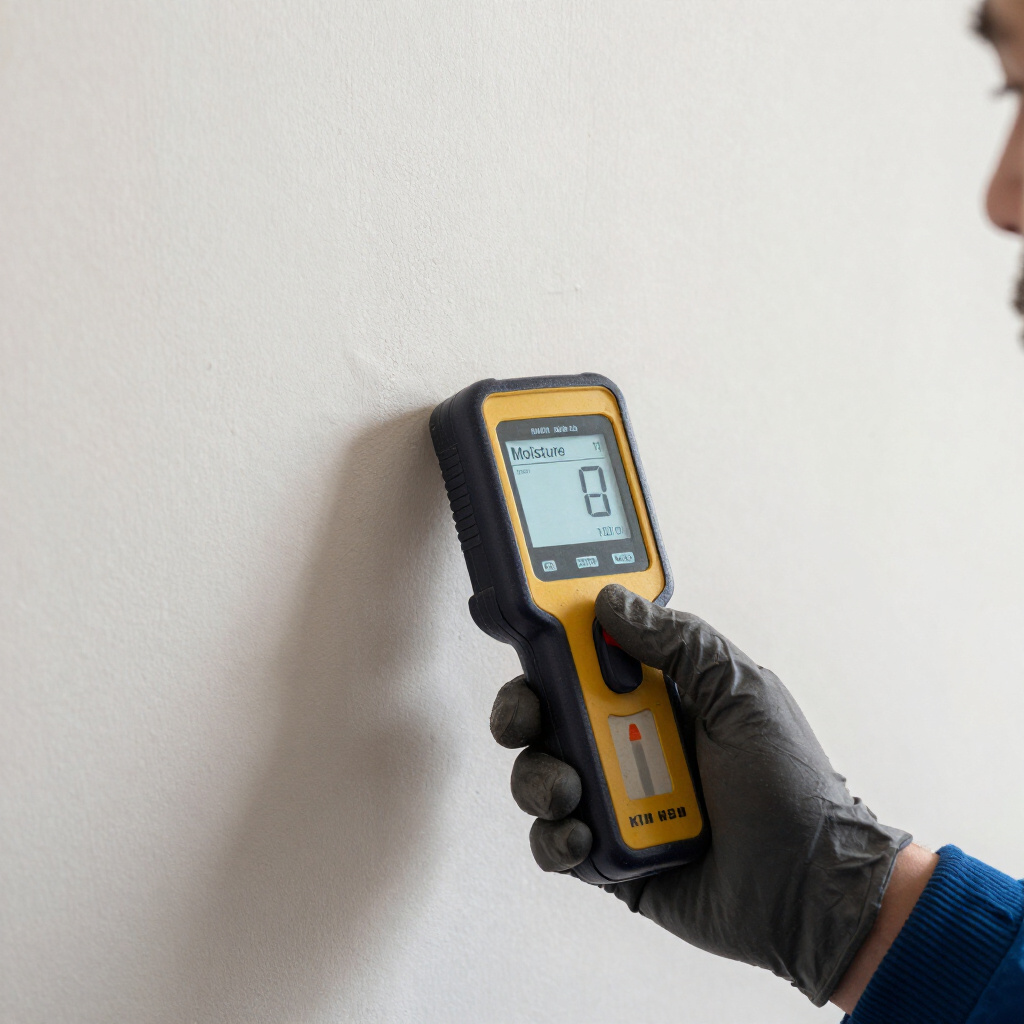
Invest in a moisture meter, an inexpensive tool that provides quantitative readings of moisture content in building materials. Use it to establish baseline readings in known-dry areas, then compare these to suspicious locations. Readings above 16-20% in wood or elevated readings in drywall suggest active moisture problems requiring investigation.
Your nose is remarkably reliable for detecting hidden water damage. Musty, earthy odors in specific areas almost always indicate mold or mildew growth, which requires moisture to survive. Don't simply mask these smells with air fresheners, investigate their source thoroughly.
When you do discover signs of hidden water damage, document everything with photographs before disturbing the area. This documentation proves invaluable for insurance claims and helps restoration professionals understand the damage progression. Address the moisture source immediately, whether that means repairing a leak, improving ventilation, or redirecting exterior drainage. Simply repairing visible damage without eliminating the underlying moisture guarantees recurrence.
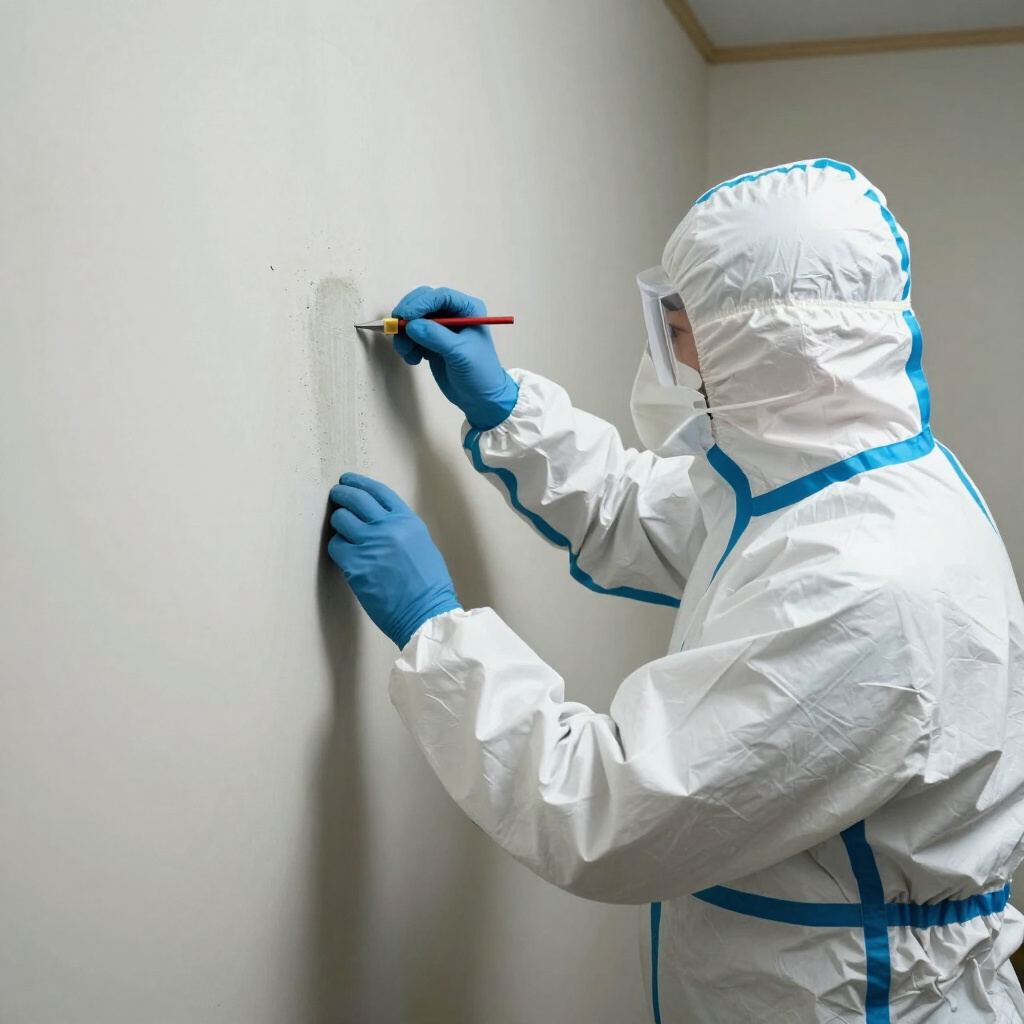
For extensive or uncertain situations, professional water damage assessment provides peace of mind and comprehensive detection. Restoration specialists use thermal imaging cameras, borescopes, and advanced moisture mapping techniques to identify hidden saturation that visual inspection cannot reveal.
Final Thoughts
Hidden water damage poses one of the most insidious threats to your home's value and your family's health because it operates out of sight, often for extended periods. The signs discussed here, wall discoloration, flooring changes, musty odors, and unexplained utility increases, represent your home's distress signals requesting attention. Responding promptly to these warnings prevents the exponential damage that occurs when moisture continues unabated: structural deterioration, widespread mold contamination, and increasingly expensive remediation requirements. Make seasonal inspection of vulnerable areas part of your home maintenance routine, and trust your observations when something seems amiss. Your vigilance today protects your investment and your living environment for years to come.