Water damage in your home or business is stressful enough on its own. But once the visible water is gone, a hidden threat often remains: mold. Understanding what happens after water damage and how mold develops can save you from costly repairs, health issues, and ongoing property damage. Whether you're dealing with a burst pipe, flooding, or a slow leak, knowing how to address mold after water damage is essential for protecting your space and everyone in it.
How Mold After Water Damage Develops
Mold is a natural part of our environment, but it becomes a serious problem when it grows indoors. After water damage occurs, mold can begin developing within 24 to 48 hours if conditions are right. All mold needs is moisture, organic material to feed on, and moderate temperatures—conditions that water damage readily provides.
The speed of mold growth surprises many property owners. That small puddle under your sink or dampness in your carpet isn't just a cleanup inconvenience; it's an invitation for mold colonies to establish themselves. Porous materials like drywall, insulation, wood, and carpet are particularly vulnerable because they hold moisture and provide plenty of organic matter for mold to consume.
Even after you believe everything is dry, moisture can linger inside walls, beneath flooring, and within building cavities. This hidden moisture creates perfect conditions for mold to flourish undetected, sometimes for weeks or months, before visible signs appear.
Health Risks and Property Damage
Mold after water damage isn't merely an aesthetic issue. Exposure to mold can trigger a range of health problems, particularly for those with allergies, asthma, or weakened immune systems. Common symptoms include coughing, wheezing, nasal congestion, throat irritation, and skin rashes. Some individuals experience more severe reactions, including respiratory infections or chronic sinus conditions.
Beyond health concerns, mold actively destroys the materials it grows on. Wooden structures weaken, drywall crumbles, and insulation loses effectiveness. What starts as a contained moisture problem can escalate into structural damage requiring extensive remediation and reconstruction. The longer mold goes unaddressed, the more invasive and expensive the cleanup becomes.
Certain types of mold, such as Stachybotrys chartarum (often called black mold), produce mycotoxins that raise additional health concerns. While not all dark-colored molds are this species, any significant mold growth warrants professional evaluation rather than self-identification.
Key Tips for Prevention and Remediation
Taking swift, thorough action after any water intrusion dramatically reduces mold risk. Here are essential steps to protect your property:
Act within the first 24-48 hours. This window is critical. Remove standing water immediately using pumps, wet-dry vacuums, or professional extraction services. The faster you eliminate excess moisture, the less opportunity mold has to establish itself.
Remove unsalvageable materials. Porous items that have absorbed significant water—such as carpet padding, soaked drywall, and damaged insulation—should be removed and discarded. These materials rarely dry completely and become permanent mold reservoirs.
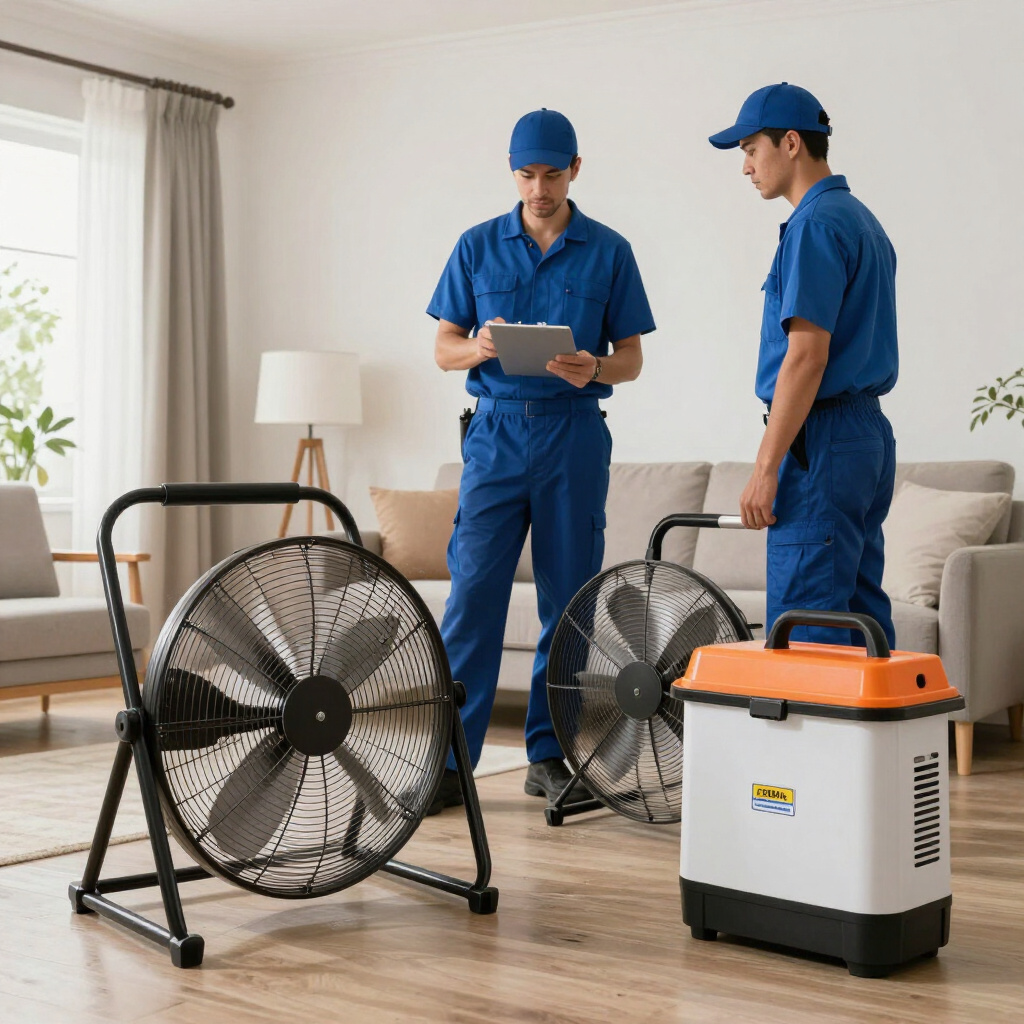
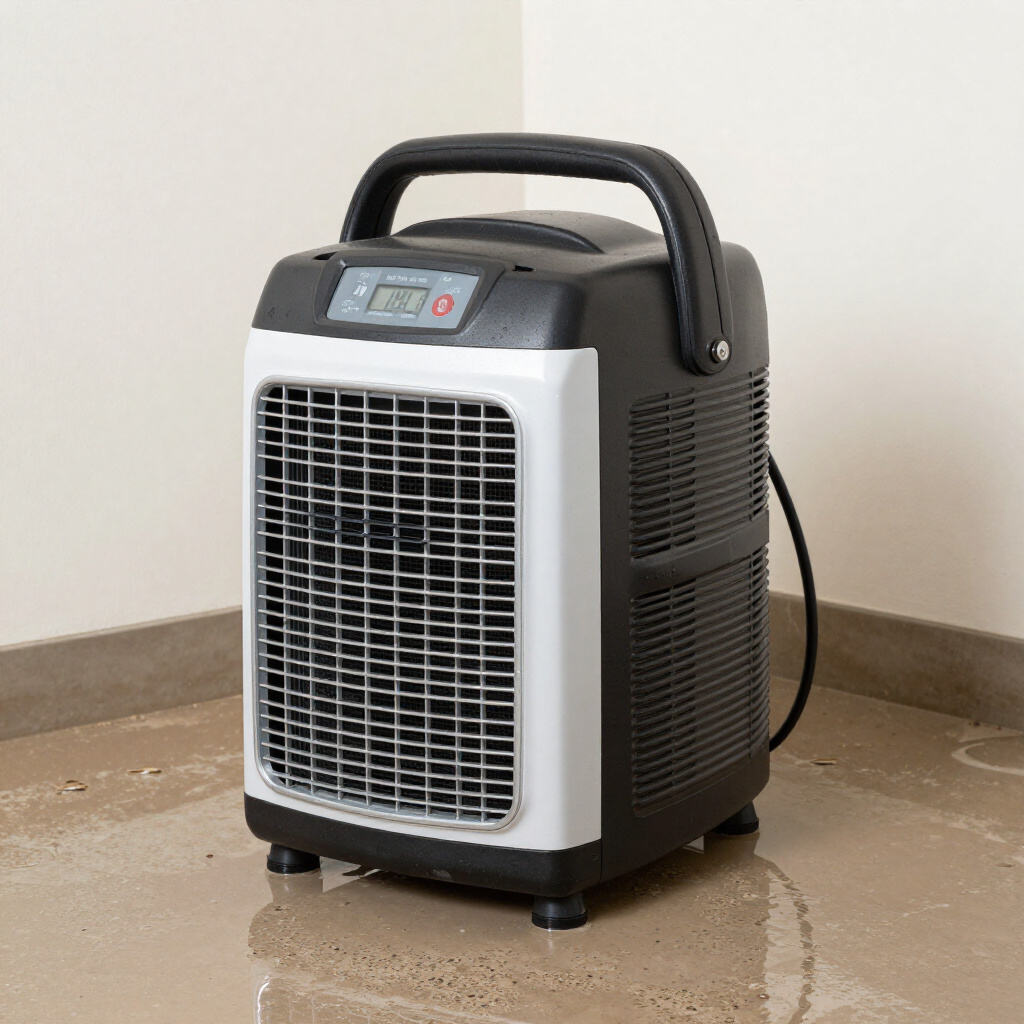
Dry thoroughly with professional equipment. Household fans and open windows are insufficient for serious water damage. Industrial air movers, dehumidifiers, and moisture detection equipment ensure deep drying of structures and hidden spaces.
Monitor humidity levels. Maintain indoor humidity below 60 percent, ideally between 30-50 percent. Hygrometers are inexpensive tools that help you track conditions conducive to mold growth.
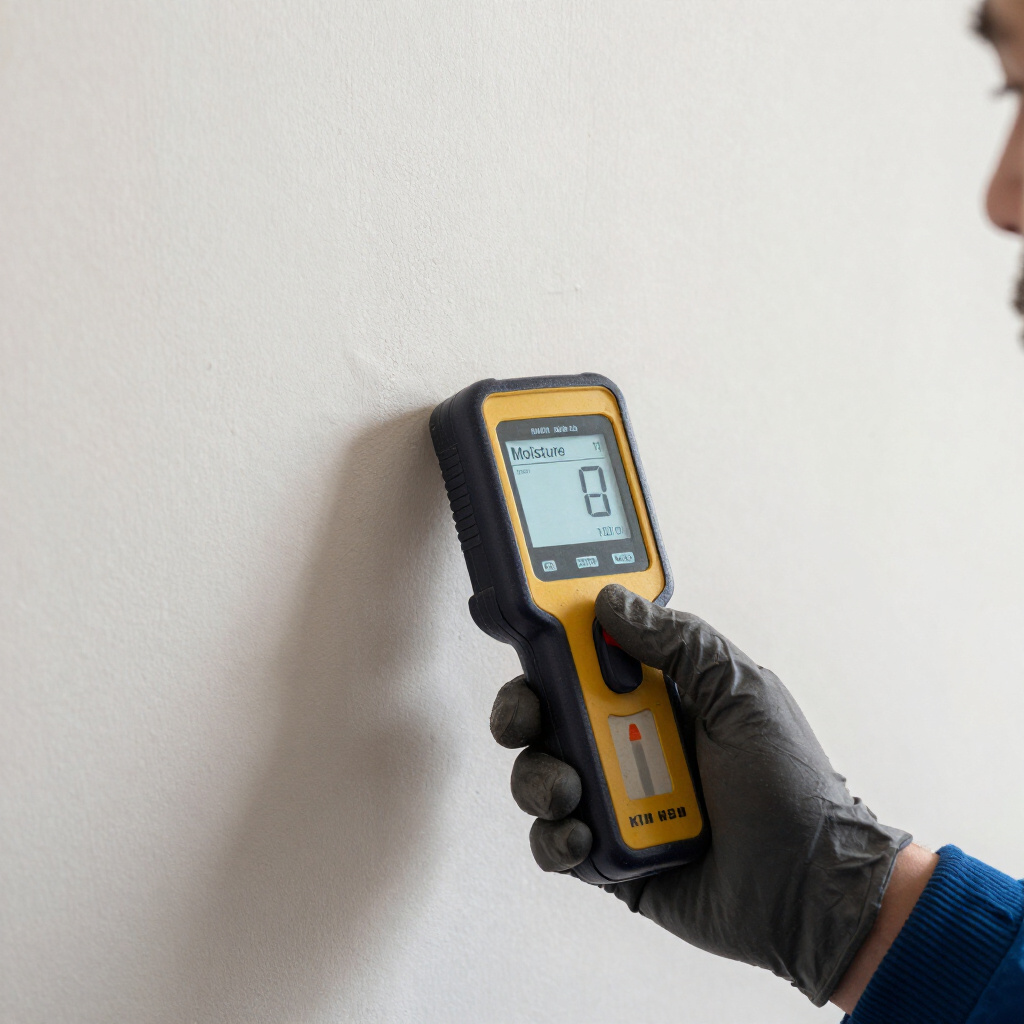
Address hidden moisture. Water travels along pipes, behind walls, and under flooring. Thermal imaging cameras and moisture meters help professionals locate these concealed wet areas before mold takes hold.
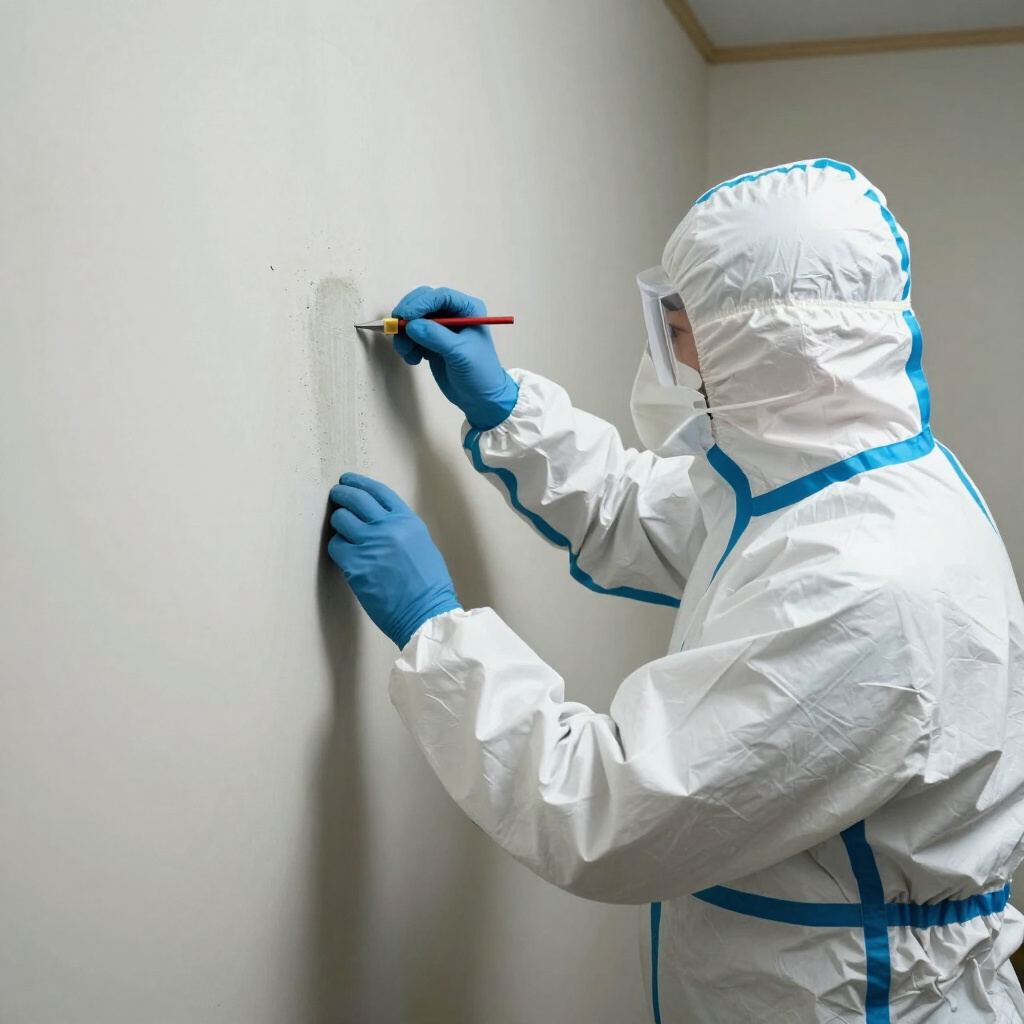
Consider professional mold assessment. If you notice musty odors, visible discoloration, or if water damage was extensive, hiring a certified mold inspector provides clarity. They can identify contamination extent and recommend appropriate remediation scope.
Never paint over mold. This common mistake traps moisture and allows mold to continue growing beneath the surface. Always remediate mold properly before refinishing any area.
Improve ventilation ongoing. Bathrooms, kitchens, laundry areas, and basements need adequate airflow. Exhaust fans, proper ductwork, and strategic air circulation prevent moisture accumulation that feeds future mold problems.
When to Call Professionals
DIY cleanup works for minor, quickly addressed spills on hard surfaces. However, professional help becomes necessary when water damage covers large areas, involves contaminated water (sewage or flooding), has affected HVAC systems, or when mold growth exceeds roughly ten square feet. Professionals bring containment protocols, specialized equipment, and expertise to handle mold after water damage safely and comprehensively.
Water damage restoration specialists also document conditions for insurance purposes and can coordinate directly with your carrier. Their work typically includes moisture mapping, structural drying, antimicrobial application, and verification that spaces meet dry standards before reconstruction begins.
Final Thoughts
Mold after water damage represents one of the most common and preventable consequences property owners face. The key lies in speed, thoroughness, and vigilance. Water damage demands immediate attention—not just surface drying, but complete moisture elimination from all affected materials and spaces. When in doubt, involving professionals early protects both your property investment and the wellbeing of everyone who enters your building.
Remember that mold problems rarely resolve themselves. What seems like a minor inconvenience today can become a major restoration project tomorrow. By understanding how mold develops, recognizing the risks, and taking decisive preventive action, you position yourself to recover from water damage fully and avoid the lingering complications of mold contamination. Your prompt response today creates a healthier, safer environment for years to come.