Few things feel more overwhelming than standing in a puddle in your own living room, wondering what comes next. Whether it's a burst pipe, a leaking appliance, or storm water finding its way inside, the damage can escalate quickly—and so can the stress of figuring out how to pay for repairs. Understanding how to navigate insurance claims for water damage before disaster strikes can save you thousands of dollars and countless headaches when you need help most.
What Insurance Claims for Water Damage Typically Cover
Not all water damage is treated equally by insurance providers, and this is where many homeowners stumble. Most standard policies cover what insurers call "sudden and accidental" water damage. Think burst pipes, water heater failures, or a washing machine hose that gives out unexpectedly. If the damage happens quickly and couldn't reasonably have been prevented, you're likely in good shape.
However, gradual damage—slow leaks behind walls, poorly maintained seals, or long-term moisture buildup—often falls outside standard coverage. Insurers expect homeowners to perform routine maintenance, and they may deny claims where negligence contributed to the problem. Flooding from external sources like rivers, heavy storms, or sewer backups typically requires separate flood insurance or specific add-on riders.
Before filing any claim, pull out your actual policy documents and review the declarations page. Look specifically for terms like "water damage," "flood," and "sewer backup." If the language feels confusing, call your agent for clarification. Knowing your coverage boundaries before you need them prevents nasty surprises later.
Steps to Take Immediately After Discovering Water Damage
Time is your enemy once water starts flowing. Every minute of delay can mean more destruction, more mold risk, and more complications with your insurance claims for water damage. Your first priority is always safety—turn off electricity to affected areas if there's any chance water contacted outlets or wiring, and avoid standing water that might hide hazards beneath.
Next, stop the water source if possible. Shut off the main water valve for plumbing issues, or place barriers to redirect external water. Then document everything. Photograph and video the damage from multiple angles before moving or removing anything. Capture close-ups of damaged belongings and wide shots showing the full extent. This visual evidence becomes crucial when adjusters evaluate your claim.
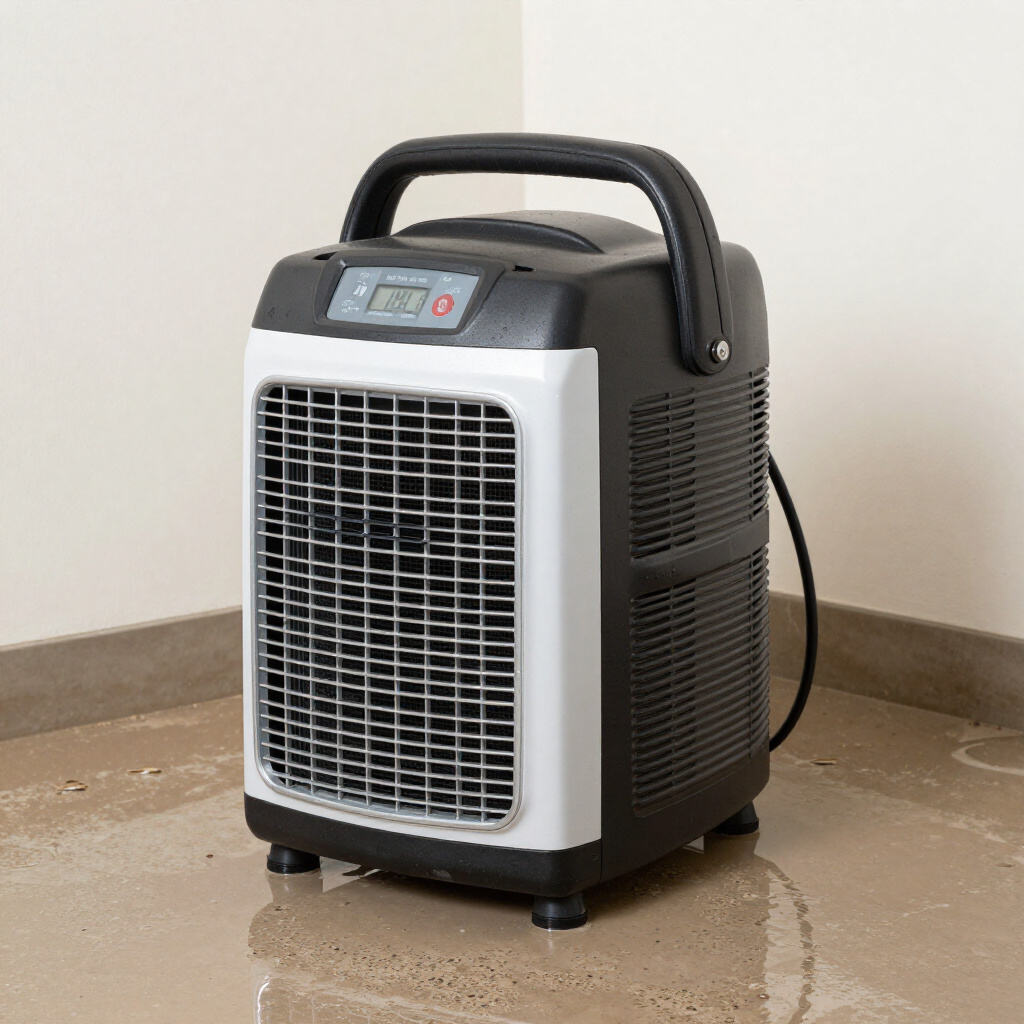
Contact your insurance company within 24 hours, even if you're still assessing the damage. Most policies require prompt reporting, and delays can jeopardize your claim. Ask specifically about emergency mitigation services—many insurers will approve immediate water extraction and drying to prevent further damage, and some even have preferred vendors who bill the company directly.
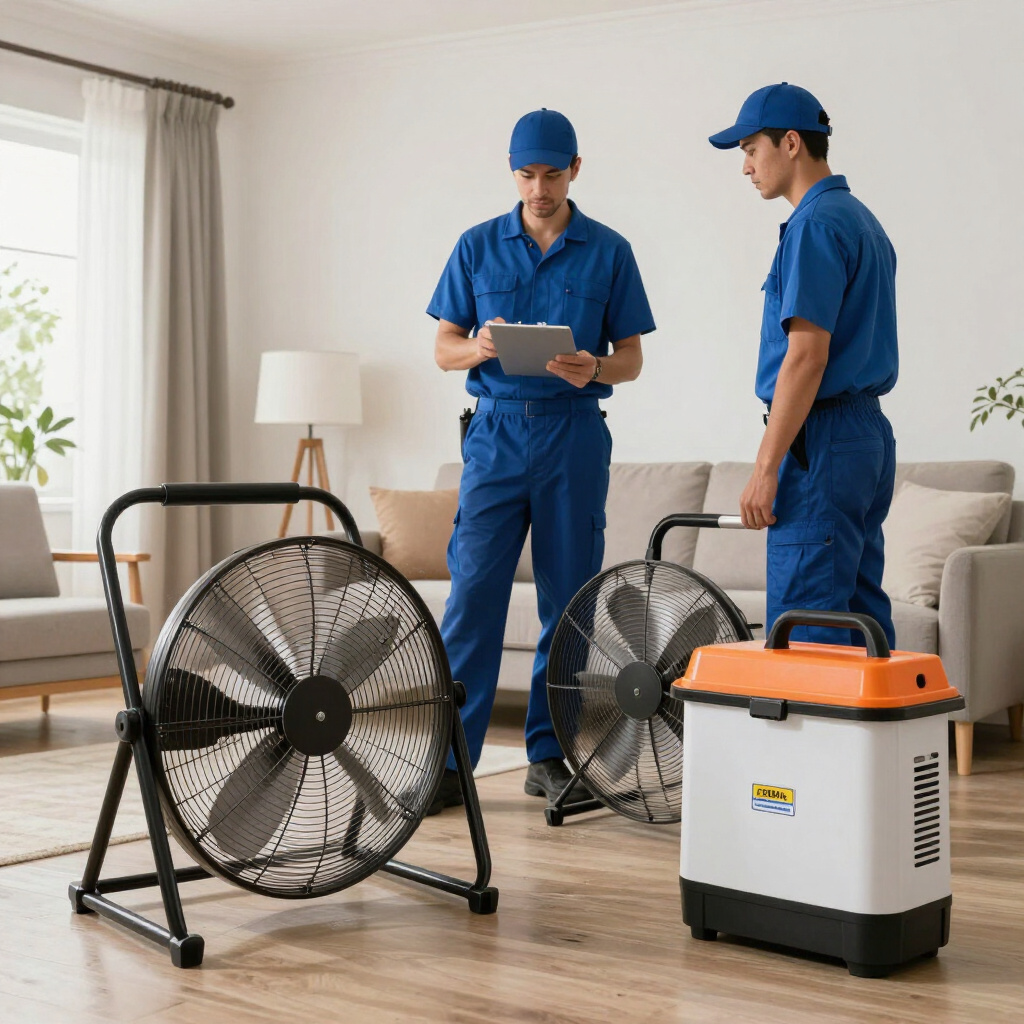
Mitigation is not optional if you want full coverage. Insurance adjusters look closely at whether homeowners took reasonable steps to minimize damage. Running fans, removing soaked carpets, and hiring professional drying services demonstrates good faith and protects both your property and your claim.
Working With Adjusters and Documentation
The adjuster's visit can feel intimidating, but preparation shifts the power balance in your favor. Create a detailed inventory of damaged items including purchase dates, approximate values, and replacement costs. Gather receipts if you have them, but don't panic if you don't—credit card statements, product manuals, and even photos from before the damage can establish ownership and value.
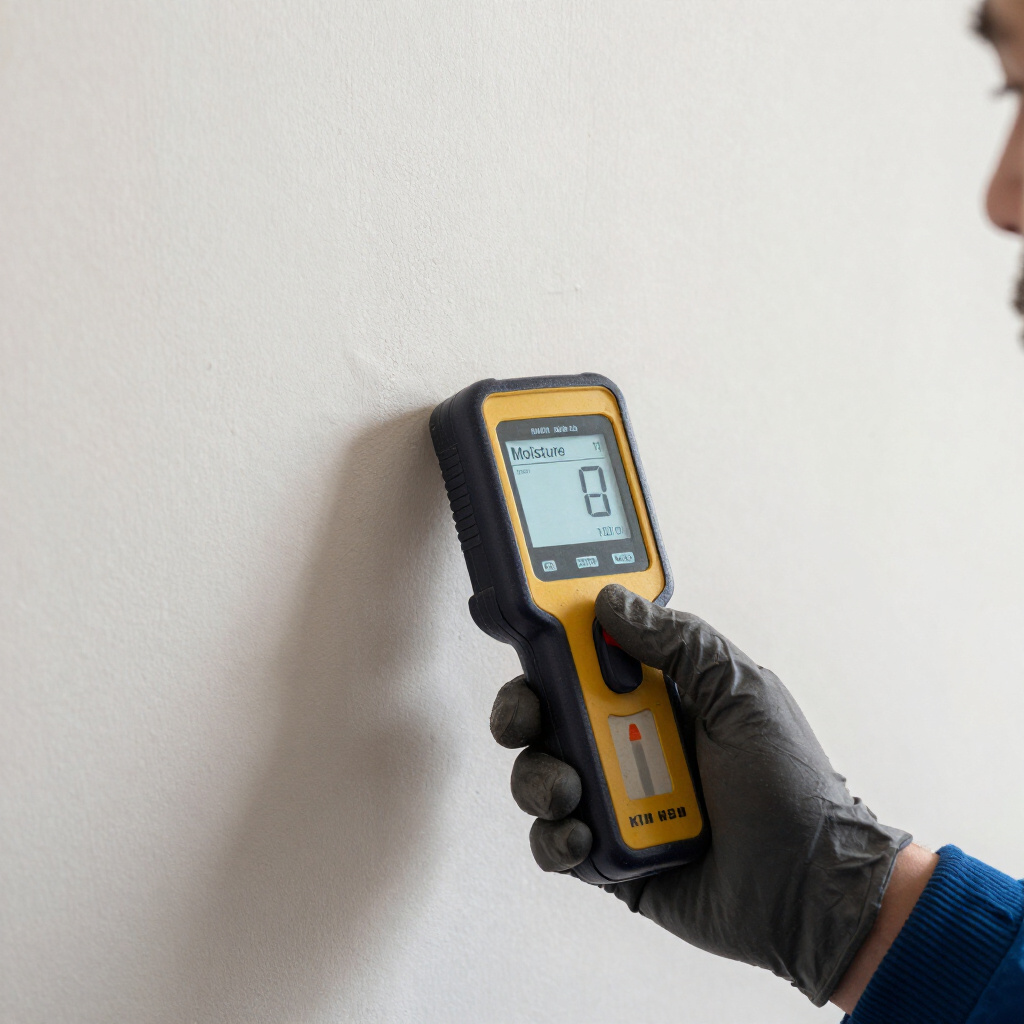
Be present during the inspection and ask questions. Walk through the damage together, pointing out areas that might be missed. Hidden moisture in wall cavities, under flooring, and inside cabinets often escapes casual observation but causes serious problems later. If the adjuster's assessment feels incomplete, you have the right to request a re-inspection or hire a public adjuster who works for you rather than the insurance company.
Keep meticulous records of all expenses related to the damage. Save receipts for emergency supplies, temporary lodging if your home is uninhabitable, meals, and any repair work. Many policies include "additional living expenses" coverage that reimburses these costs, but only with proper documentation.
Key Tips
Prevention and preparation matter more than most people realize. Review your policy annually and update coverage as your home's value changes. Consider adding specific riders for sewer backup or sump pump failure—relatively inexpensive additions that pay enormous dividends when needed.
Photograph your home's condition and valuable contents every six months, storing images securely in cloud storage. These "before" pictures become powerful evidence if you ever need to prove the extent of damage.
Understand the difference between actual cash value and replacement cost coverage. Actual cash value pays what your damaged items are worth today, factoring in depreciation. Replacement cost coverage pays what it takes to buy new equivalents. The premiums differ, but so does your financial exposure after a major loss.
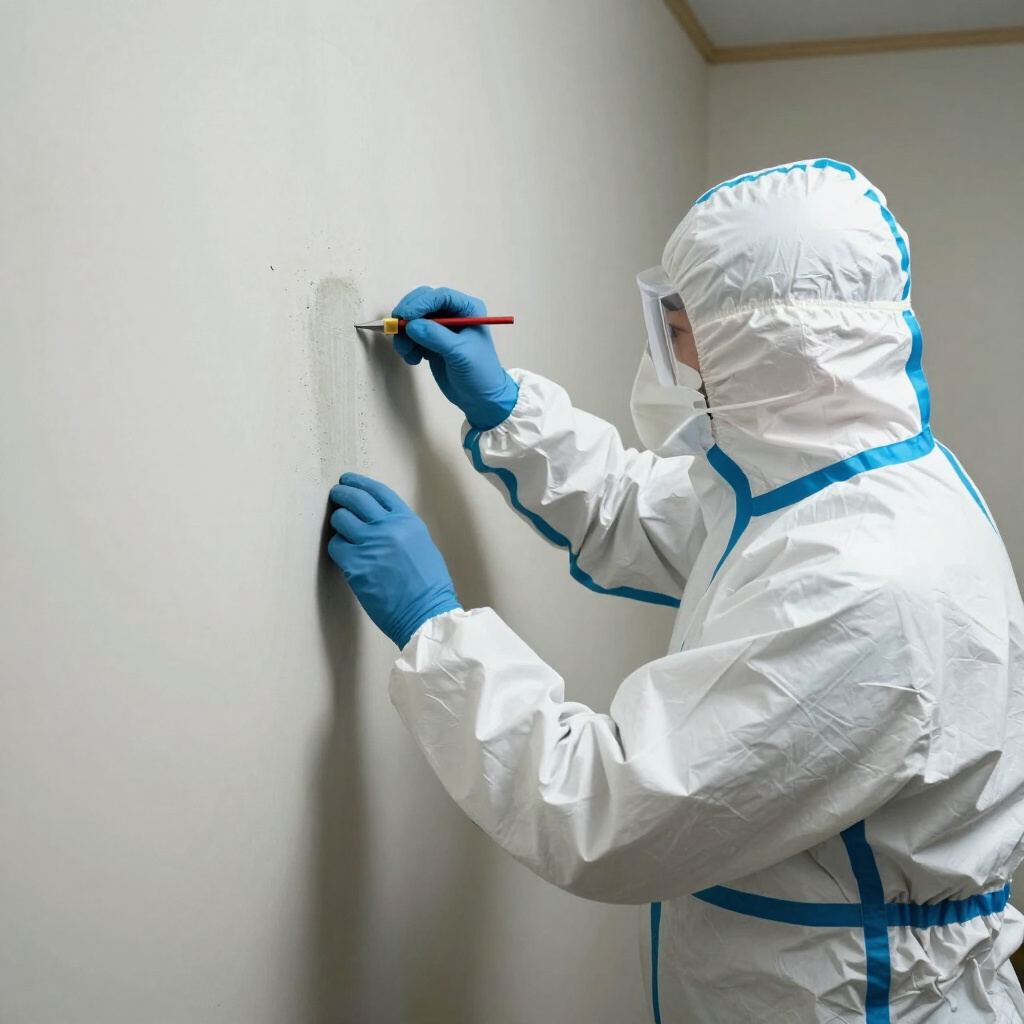
Don't automatically accept the first settlement offer if it feels inadequate. Insurance claims for water damage often involve hidden costs that emerge weeks after the initial incident. Mold remediation, structural repairs, and replacing compromised insulation frequently surface after the adjuster's initial visit. Politely push back with documentation, and escalate to supervisors if necessary.
Finally, work with reputable restoration professionals who understand insurance documentation requirements. Experienced water damage contractors can provide detailed scope-of-work estimates that align with what insurers expect, smoothing the approval process significantly.
Final Thoughts
Water damage disrupts life in ways that go far beyond soggy carpets and stained walls. The insurance process layered on top can feel like another flood entirely. But homeowners who understand their policies, act quickly to document and mitigate damage, and advocate firmly for fair treatment consistently achieve better outcomes.
Your insurance exists precisely for moments like these—you've paid premiums faithfully, and you deserve the protection you've purchased. Approach insurance claims for water damage methodically, stay organized, and don't hesitate to seek professional guidance when the process grows complex. The goal isn't merely a check from your insurer; it's restoring your home and your peace of mind as completely as possible.