Water damage is one of the most common and costly problems homeowners face, yet much of it is entirely preventable with the right knowledge and habits. Whether it's a slow leak hidden behind a wall or a sudden burst pipe, moisture can destroy structural materials, ruin personal belongings, and create the perfect environment for mold growth. The good news? A proactive approach to home maintenance can save you thousands of dollars in repairs and protect the health and safety of your family. This guide walks you through practical, actionable steps to keep your home dry and secure year-round.
How to Prevent Water Damage in Your Home Through Regular Maintenance
The foundation of water damage prevention starts with consistent home maintenance. Your roof, gutters, and downspouts are your first line of defense against the elements, and neglecting them invites trouble. Inspect your roof at least twice a year—once in spring and again in fall—for missing or damaged shingles, cracked flashing, and deteriorated sealant around vents and chimneys. Even small vulnerabilities can allow water to seep in during heavy rain, leading to attic damage, insulation problems, and ceiling stains.
Gutters and downspouts deserve equal attention. When clogged with leaves and debris, water overflows and pools around your foundation, increasing the risk of basement flooding and foundation cracks. Clean your gutters seasonally, and ensure downspouts extend at least six feet away from your home. Consider installing gutter guards to reduce buildup and make maintenance easier. For homes in heavily wooded areas, more frequent cleaning may be necessary.
Inside your home, pay close attention to plumbing fixtures and appliances. Check under sinks regularly for signs of leaks, inspect toilet bases for wobbling or water staining, and replace worn washers and caulk before small drips become major problems. Appliances like washing machines, dishwashers, and water heaters have finite lifespans—typically 8-12 years for water heaters—and aging components can fail without warning. Replace supply hoses with braided stainless steel versions, which resist bursting far better than rubber alternatives, and install drip pans beneath appliances when possible.
Protect Your Foundation and Basement
Your home's foundation bears the weight of everything above it, and water is its silent enemy. Hydrostatic pressure from saturated soil can force water through even microscopic cracks in basement walls and floors. To prevent water damage in your home, start by managing the landscape around your foundation. The ground should slope away from your home at a grade of approximately six inches of drop over the first ten feet. If your property doesn't naturally facilitate this, regrading or installing a French drain system may be necessary.
Basement waterproofing takes multiple forms, and combining strategies yields the best protection. Exterior waterproofing membranes, applied during construction or major excavation, create a barrier between soil and foundation walls. Interior approaches include sealant coatings on walls and floors, though these manage rather than prevent water intrusion. A properly functioning sump pump is essential for homes with chronic moisture issues—choose a model with a battery backup system so it continues working during power outages when flooding risk often peaks. Test your sump pump quarterly by pouring water into the pit until the float activates the pump.
Windows and window wells present another common entry point. Keep window well drains clear of debris, install well covers to limit water accumulation, and ensure windows themselves are properly caulked and weatherstripped. Even with these measures, maintaining moderate indoor humidity levels—between 30% and 50%—helps prevent condensation-related moisture problems that can mimic true water intrusion.
Key Tips for Seasonal and Emergency Preparedness
Water damage prevention isn't a one-time task; it requires adapting to seasonal challenges and preparing for emergencies. Before winter arrives, insulate exposed pipes in unheated areas like crawl spaces, attics, and garages. Pipe insulation is inexpensive and straightforward to install, yet it prevents the frozen pipe bursts that cause some of the most dramatic water damage scenarios. During extreme cold, keep cabinet doors under sinks open to allow warm air circulation, and let faucets drip slowly to relieve pressure in the system.
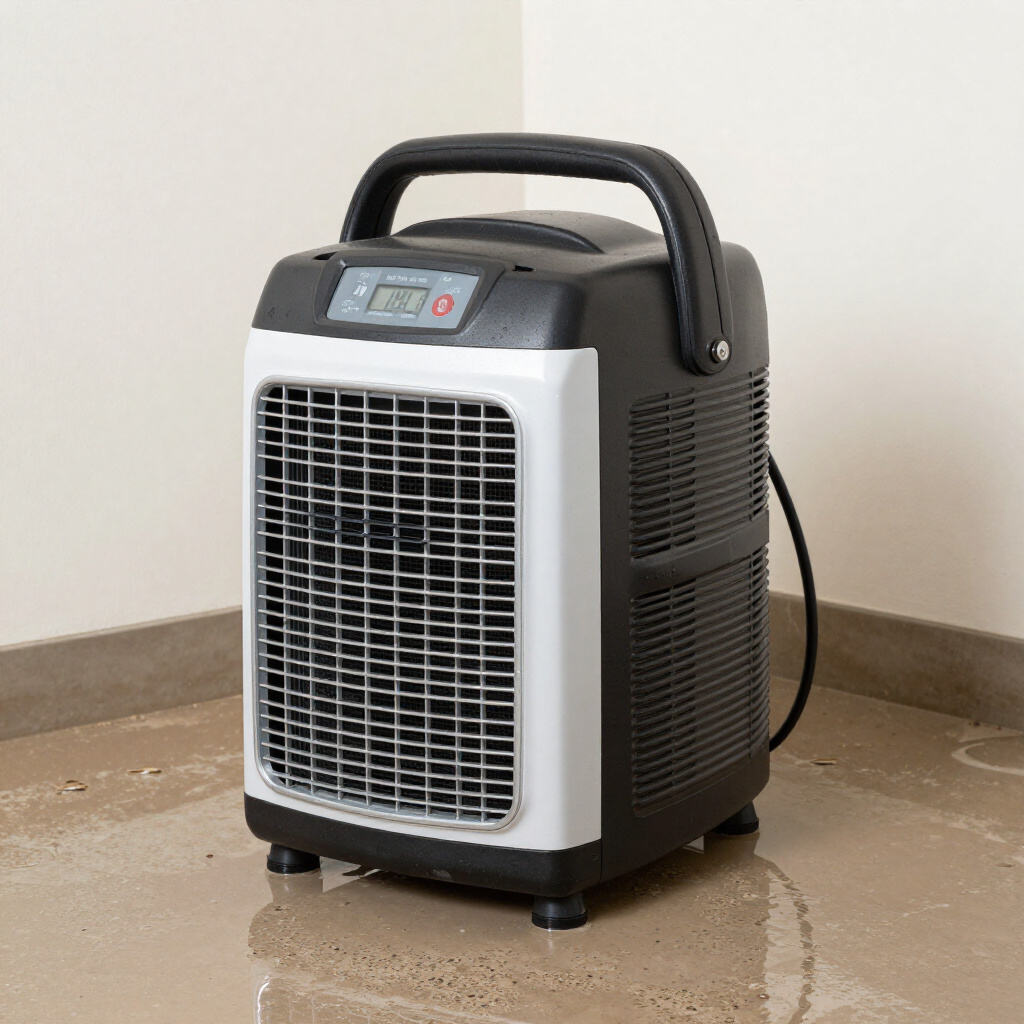
Spring thaw and heavy rains demand their own vigilance. Test your sump pump, clear storm drains near your property, and inspect your foundation for new cracks that may have developed during freeze-thaw cycles. Summer brings humidity concerns—use dehumidifiers in basements and ensure your air conditioning system drains properly. Fall is prime time for gutter maintenance and roof inspection before winter storms arrive.
Modern technology offers valuable assistance in preventing water damage in your home. Water leak detectors, placed near high-risk areas like water heaters, washing machines, and sump pumps, can alert you to problems via smartphone notifications before visible damage occurs. Whole-house water shutoff valves with flow sensors automatically stop water supply when abnormal usage is detected—potentially saving you from catastrophic damage while you're away. These smart home investments typically pay for themselves many times over if they prevent even one major incident.
Know where your main water shutoff valve is located and ensure every household member can operate it. In a plumbing emergency, seconds count, and quickly stopping the water flow dramatically limits damage extent. Similarly, maintain an emergency contact list including your plumber, insurance agent, and a trusted water damage restoration professional so you're not scrambling for numbers during a crisis.
Final Thoughts
Preventing water damage in your home demands attention to detail, consistent maintenance habits, and willingness to invest in protective measures before problems arise. No single action guarantees complete protection, but layering multiple strategies—proper drainage, vigilant plumbing care, seasonal preparation, and smart technology—creates resilient defense against moisture intrusion. The time and modest expense of prevention pale in comparison to the disruption, cost, and stress of remediation after water damage occurs. Start with an honest assessment of your home's vulnerabilities today, prioritize the improvements that address your greatest risks, and build maintenance tasks into your regular household routine. Your future self, your home's structure, and your family's wellbeing will all benefit from the effort.