When water invades your home—whether from a burst pipe, flooding, or a leaking roof—one of the first questions on your mind is likely, "How long will this take to fix?" The uncertainty can feel overwhelming, especially when you're displaced from your normal routine or watching cherished belongings sit in harm's way. The honest answer is that water damage restoration timelines vary considerably based on several key factors. Understanding what influences the duration can help set realistic expectations and reduce stress during an already difficult time. Let's explore what determines how long the process takes and what you can do to help things move along smoothly.
How Long Does Water Damage Restoration Take: The Typical Timeline
Most water damage restoration projects fall somewhere between three days and two weeks, though complex situations can extend significantly longer. A minor incident with clean water and quick response might be resolved in as little as 72 hours. Moderate damage involving multiple rooms or materials like hardwood and drywall typically requires five to seven days. Severe flooding, especially involving contaminated water or structural saturation, can stretch to several weeks or even months when reconstruction is necessary.
The process breaks down into distinct phases, each with its own timeline. Water extraction usually takes hours to a full day depending on volume. Drying and dehumidification generally require three to five days, though this extends when materials are dense or water has seeped deep into structures. Cleaning and sanitizing follows, taking one to two days for standard situations. Finally, repairs and reconstruction range from a few days for minor fixes to weeks or months for extensive rebuilds.
Key Factors That Influence Restoration Duration
Several variables directly impact how long your specific situation will take to resolve. Understanding these helps explain why your neighbor's flooded basement took four days while yours might require two weeks.
Water category and contamination level make a significant difference. Clean water from a supply line break is simplest to address. Gray water from appliances or sinks introduces contaminants requiring additional cleaning steps. Black water from sewage or flooding carries serious health hazards and demands extensive sanitization protocols, automatically adding days to the timeline.
The extent of saturation matters enormously. Surface water on tile floors resolves quickly. Water that has wicked up drywall, soaked insulation, or penetrated subfloors requires aggressive drying strategies. When water reaches wall cavities or sits beneath cabinets, technicians must employ specialized techniques like injection drying or controlled demolition, extending the process.
Materials affected each respond differently to moisture. Porous materials like carpet, upholstery, and unsealed wood absorb water readily and dry slowly. Concrete and brick may seem solid but can wick moisture surprisingly deep. Multiple layers of building materials create complex drying challenges where each layer must reach acceptable moisture levels before the job concludes.
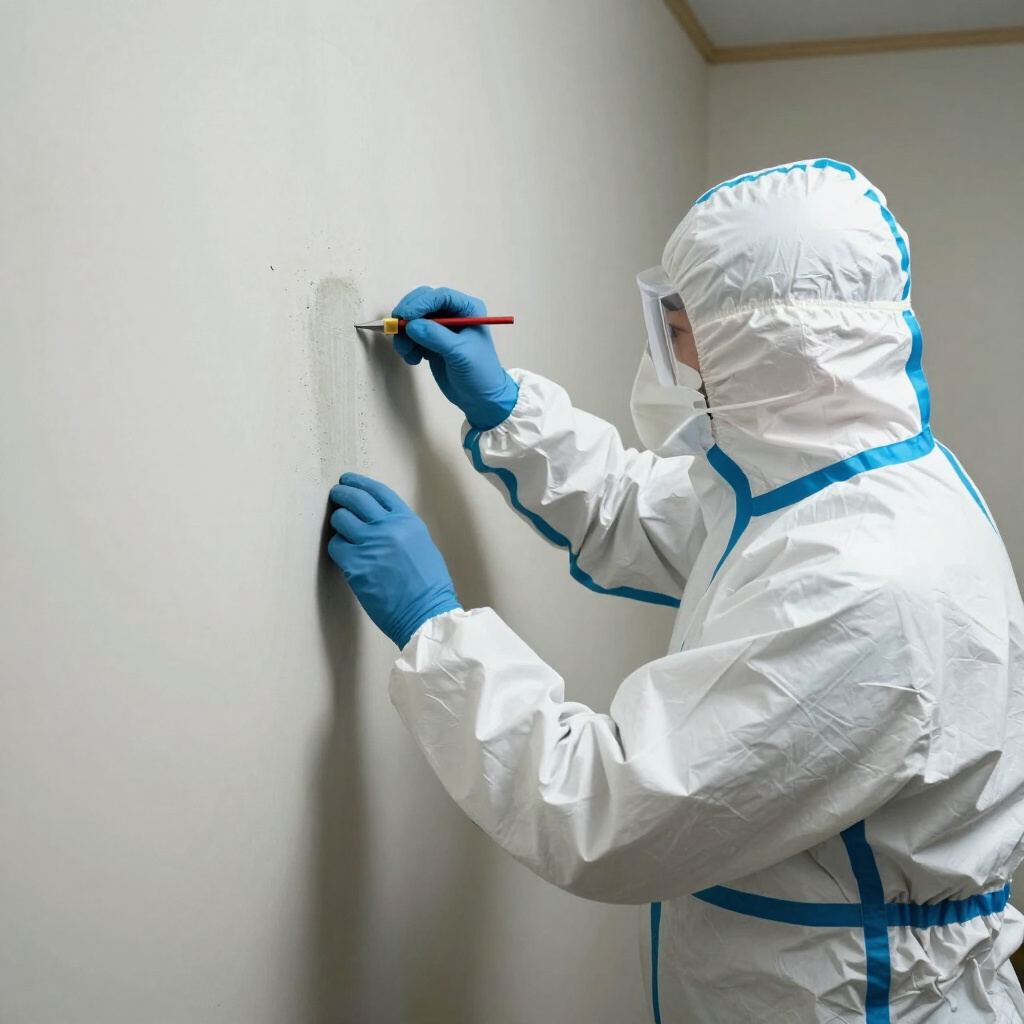
Response time dramatically affects total duration. Calling professionals within the first hours prevents water from migrating to unaffected areas and beginning the degradation process. Waiting even 24 hours allows mold colonization to begin, potentially adding mold remediation to your restoration scope.
Environmental conditions including outdoor humidity and temperature influence drying efficiency. High ambient humidity slows evaporation regardless of equipment power. Cold temperatures reduce dehumidifier effectiveness. Restoration companies adjust strategies seasonally, but some weather patterns simply extend drying times.
What Happens During Each Restoration Phase
Knowing the sequence of events helps you understand where time goes and why patience at certain stages prevents bigger problems later.
Emergency response and assessment typically occurs within hours of your call. Technicians inspect the damage, identify water sources, categorize contamination, and document conditions for insurance purposes. This crucial step ensures the restoration plan addresses your specific situation rather than applying a generic approach.
Water extraction and removal happens immediately. Powerful pumps and vacuum systems remove standing water rapidly. The more water removed mechanically, the less must evaporate during drying—directly shortening overall timeline. Thorough extraction can reduce drying time by days.
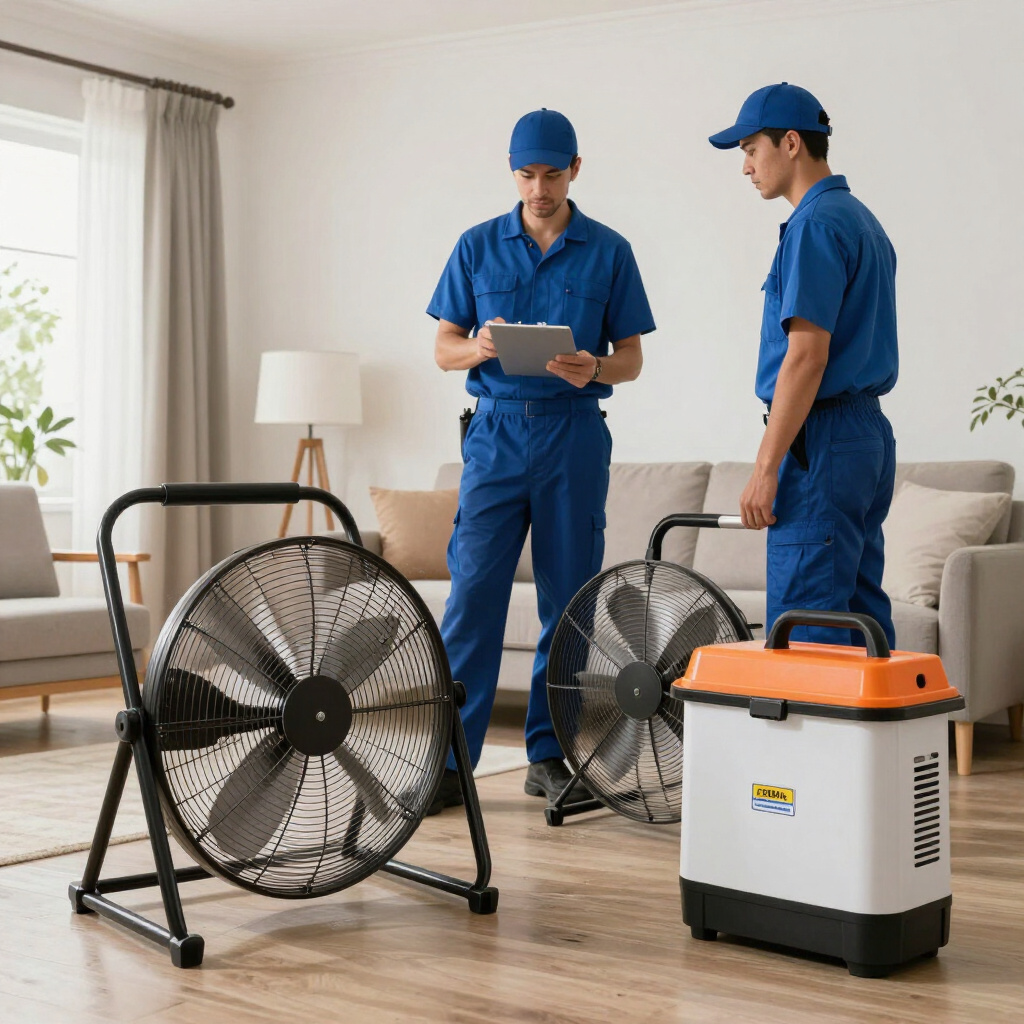
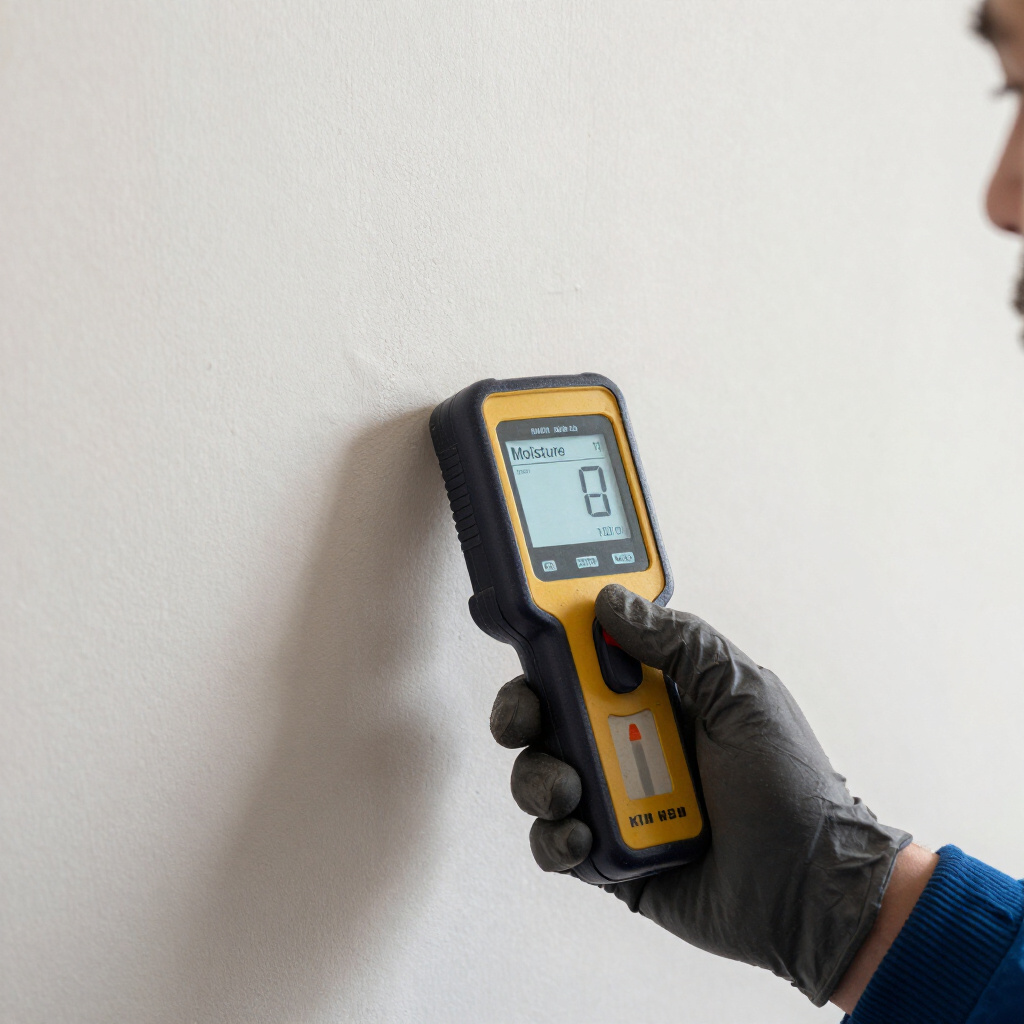
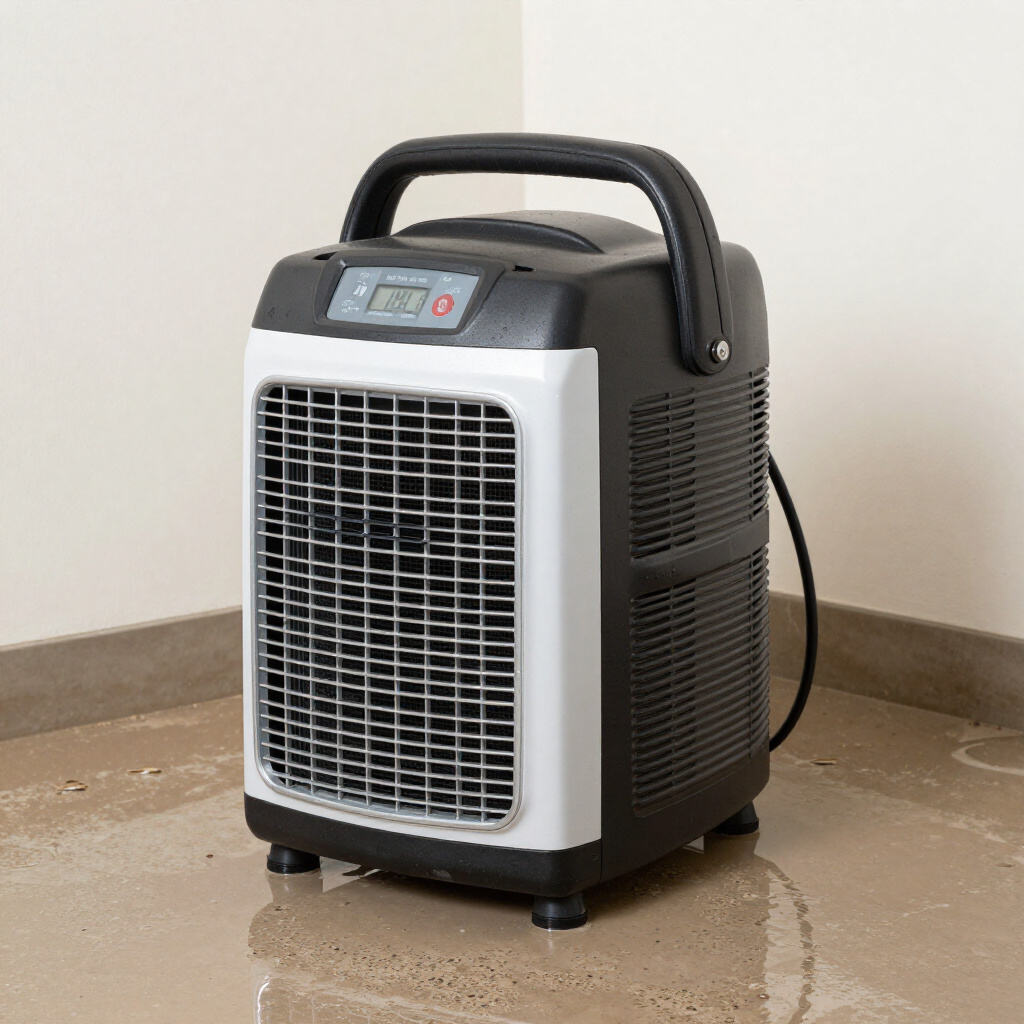
Structural drying is where patience becomes essential. Industrial air movers and dehumidifiers run continuously, with technicians monitoring moisture levels daily. Rushing this phase by removing equipment too early traps moisture inside walls and floors, virtually guaranteeing mold problems and material degradation within weeks or months. Proper drying cannot be rushed without serious consequences.
Cleaning and deodorizing addresses any remaining contaminants, stains, or odors. This phase includes antimicrobial applications, specialized treatments for affected contents, and air scrubbing if needed. The thoroughness here prevents future issues from developing.
Repairs and reconstruction restore your property to pre-loss condition. This might involve replacing sections of drywall, installing new flooring, repainting, or more extensive rebuilding. Coordination with contractors, material ordering, and inspection scheduling all factor into this final phase's duration.
Key Tips to Expedite Your Restoration
While you cannot control every variable, several actions help your restoration proceed efficiently and potentially reduce total time.
Contact professionals immediately upon discovering water damage. Every hour matters for limiting spread and preventing secondary damage. Have your insurance information ready and understand your policy's requirements for documentation and approved vendors.
Remove unaffected valuables and contents from the water-damaged area when safe to do so. This protects items and gives technicians unobstructed access to work. However, avoid entering severely compromised spaces or handling contaminated materials yourself.
Maintain communication with your restoration team. Ask about daily progress, understand moisture readings, and discuss any concerns promptly. Being available for decisions about salvaged items versus replacement prevents delays.
Ensure utilities function properly. Restoration equipment requires significant electricity; tripped breakers or insufficient power interrupt drying progress. Verify your HVAC system operates if technicians plan to use it as part of the drying strategy.
Prepare for the possibility of temporary relocation during extensive projects. Living in an active restoration zone slows work, exposes you to noise and equipment, and may pose health risks depending on contamination levels. Arranging alternative accommodations often allows faster, more thorough restoration.
Final Thoughts
How long does water damage restoration take? The truthful answer remains frustratingly variable—anywhere from a long weekend to several months for the most complex situations. What matters more than the specific timeline is ensuring each phase completes thoroughly rather than quickly. Cutting corners on drying or sanitization creates far worse problems down the road, from hidden mold colonies to structural deterioration that demands expensive remediation.
The best approach combines rapid response with realistic expectations. Choose experienced restoration professionals who communicate clearly about your specific situation, explain their daily progress with measurable data, and resist pressure to rush critical drying phases. Your patience during the process protects your property's long-term integrity and your family's health. Water damage feels catastrophic in the moment, but with proper restoration, your home can return to a safe, comfortable condition—and understanding the timeline helps you navigate the journey with greater confidence and less anxiety.