Water damage can strike when you least expect it—a burst pipe at 2 a.m., a washing machine hose that finally gives way, or heavy rain finding its way through a weakened roof. In those first critical moments, knowing exactly what to do can mean the difference between a manageable cleanup and a devastating loss. This guide walks you through the essential emergency water damage tips that every homeowner should have at the ready, so you can act fast, stay safe, and protect what matters most.
Immediate Steps to Take When Water Damage Occurs
When you discover water damage, your first priority is always safety. Before touching anything, assess whether there are electrical hazards. Water and electricity are a deadly combination, so if water has reached outlets, appliances, or your electrical panel, do not enter the area. Turn off the power at the main breaker if you can do so safely without standing in water. If you have any doubt, wait for a professional.
Once safety is addressed, stop the source of water if at all possible. Locate your main water shut-off valve—typically found in the basement, crawl space, or near the front foundation wall—and turn it clockwise to close it. Every member of your household should know where this valve is and how to operate it. For localized issues, individual fixture shut-offs can work in a pinch.
After stopping the flow, begin removing standing water as quickly as you can. Use buckets, mops, towels, or a wet/dry vacuum if you have one. The faster you remove water, the less opportunity it has to seep into building materials and cause structural damage or mold growth. Every minute truly counts in these situations.
Move valuables, furniture, and rugs to a dry area. Place aluminum foil or wood blocks under furniture legs to prevent staining and rust. Remove wet fabrics and hang them to dry. Do not leave wet items in place, as they will continue to wick moisture into floors and walls, compounding the damage.
Protecting Your Home from Further Damage
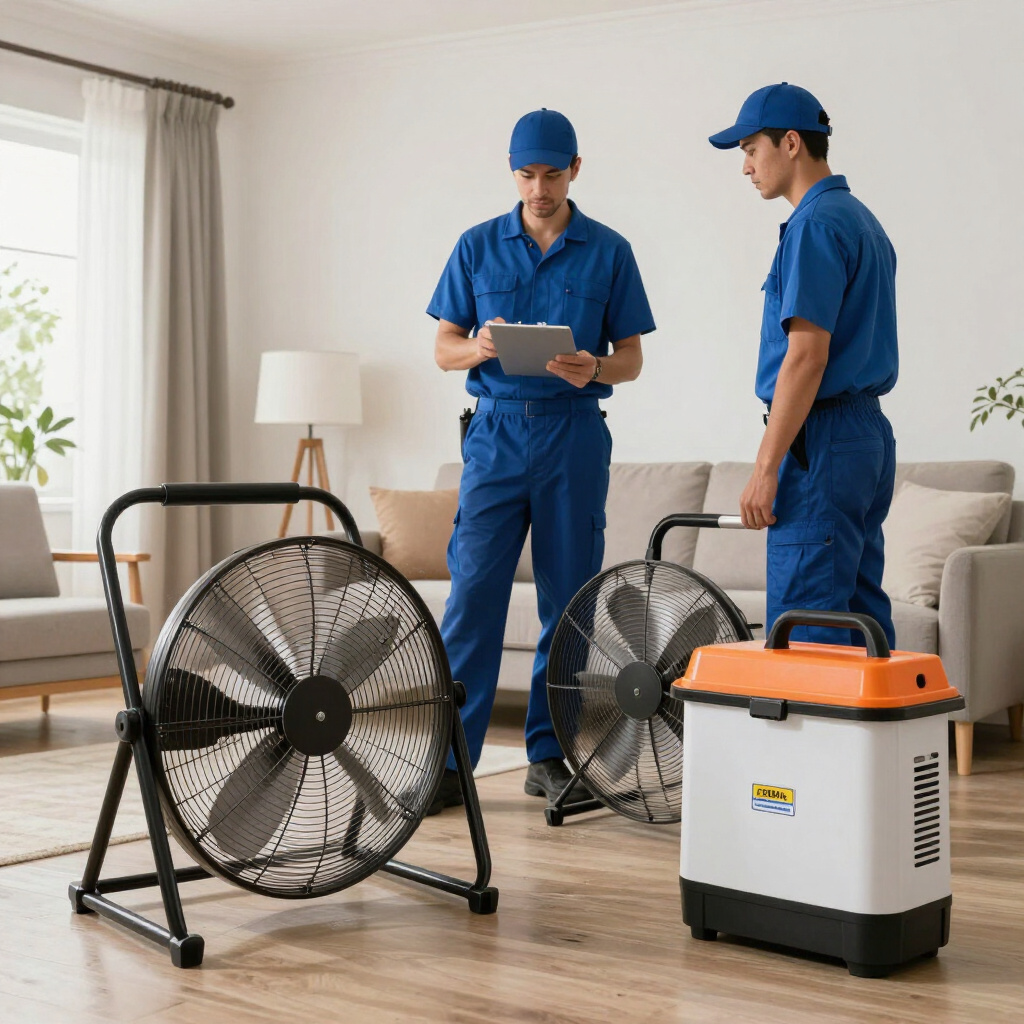
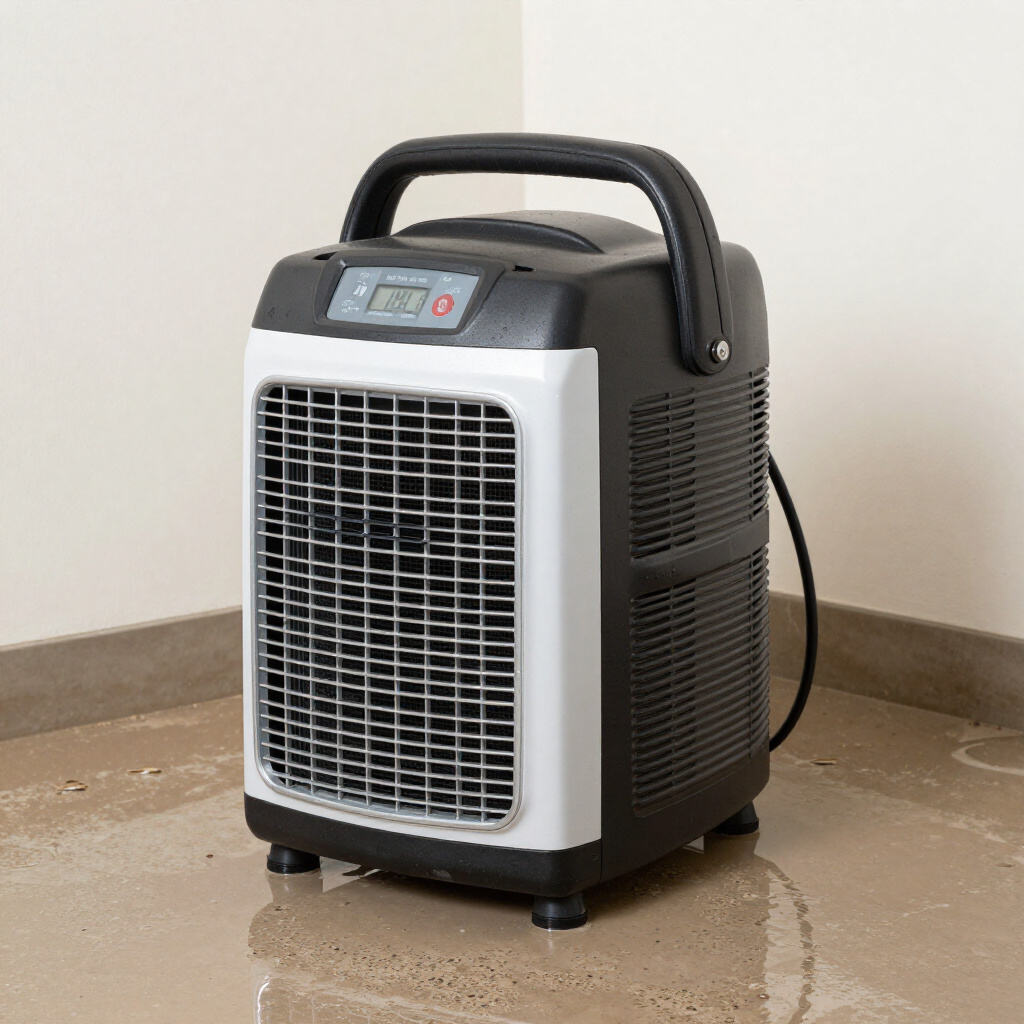
With the immediate crisis under control, focus on preventing secondary damage. Open windows and doors to promote air circulation, provided outdoor humidity is lower than indoor levels. Turn on ceiling fans and portable fans to accelerate drying. If you have a dehumidifier, run it continuously—this is one of the most effective tools for pulling moisture from the air and materials.
Remove wet carpeting and padding if the water came from a contaminated source or if the flooding is extensive. Carpet can trap moisture against subfloors for days, creating ideal conditions for mold. Even clean water can become a problem if left standing for more than 24 hours.
Document everything before you begin cleanup in earnest. Take photographs and videos of all affected areas, damaged belongings, and the water source if visible. This documentation will be invaluable when filing an insurance claim. Keep a running list of damaged items with descriptions, approximate ages, and estimated values.
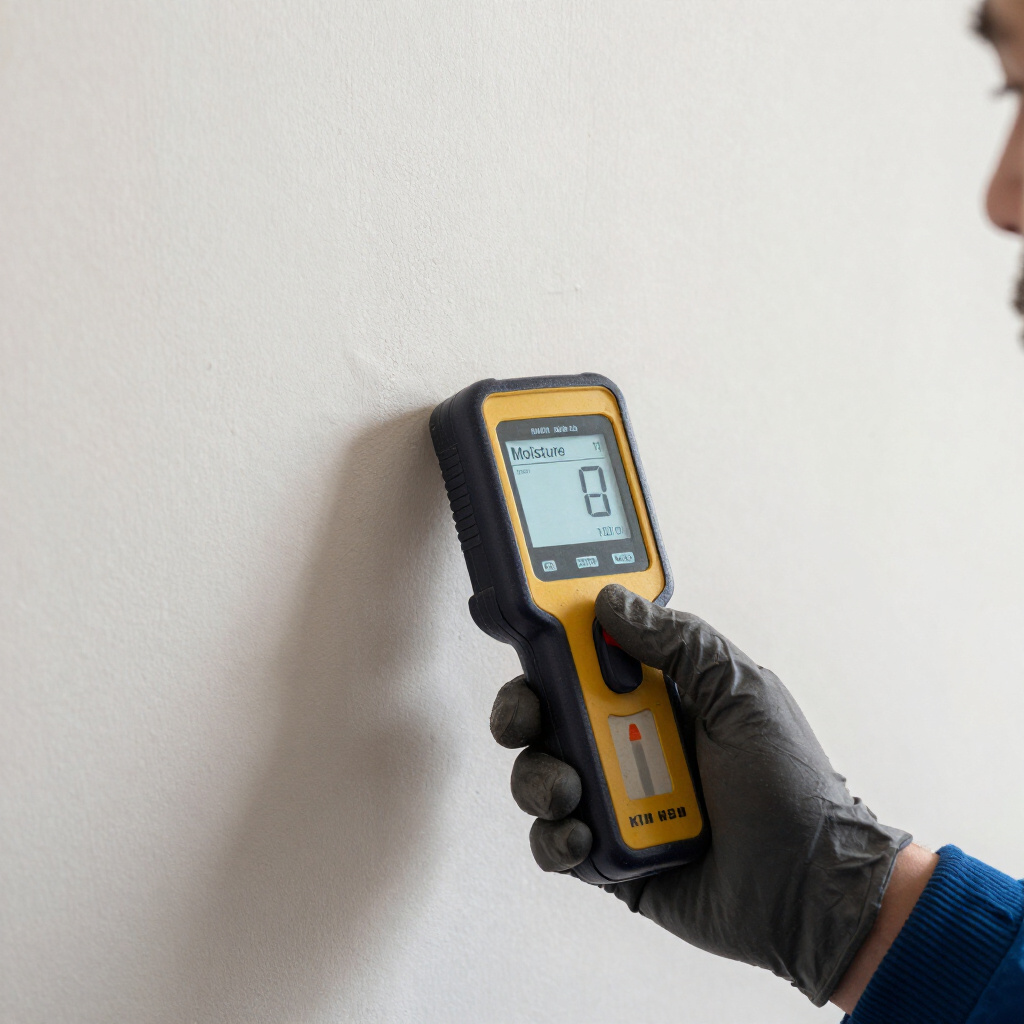
Be cautious about hidden moisture. Water travels along the path of least resistance, meaning damage often extends far beyond what is visible. Check inside wall cavities, under cabinets, and behind baseboards. Musty odors, discolored drywall, or bubbling paint are telltale signs that moisture has migrated where it should not be.
Key Tips for Effective Water Damage Recovery
Understanding a few core principles will serve you well throughout the restoration process. First, not all water is equal. Clean water from a broken supply line poses different risks than gray water from a dishwasher or washing machine, or black water from sewage backup or flooding. The source determines safety precautions, salvageability of materials, and necessary sanitization procedures. When in doubt, treat the water as contaminated.
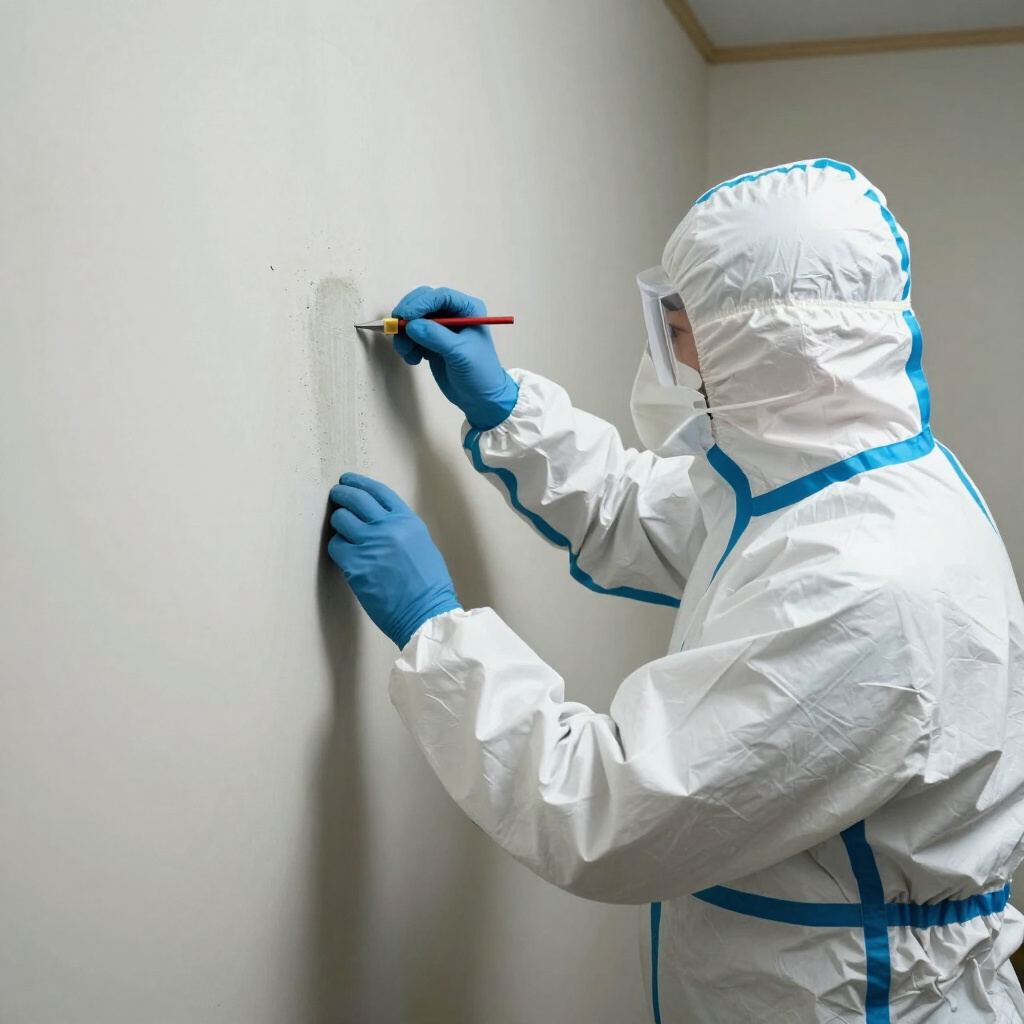
Second, mold begins developing within 24 to 48 hours of water exposure. This timeline is non-negotiable, which is why speed matters so profoundly. If you cannot achieve thorough drying within this window, professional intervention becomes essential. Mold remediation is far more costly and disruptive than prompt water damage mitigation.
Third, your insurance policy likely has specific requirements for documentation and timely reporting. Contact your insurance company as soon as practical, even if you are still assessing the full extent of damage. Ask about emergency provisions that may cover immediate mitigation expenses, and keep all receipts for temporary repairs, equipment rentals, or replacement purchases.
Finally, know when to call professionals. While minor spills and small leaks are often manageable independently, significant flooding, contaminated water, water affecting multiple rooms, or any situation where structural elements are saturated warrants expert assessment. Professional water damage restoration companies have industrial-grade extraction equipment, specialized drying systems, and moisture detection tools that simply are not available to homeowners.
Final Thoughts
Water damage is among the most common and disruptive challenges homeowners face, but it does not have to become a catastrophe. The emergency water damage tips outlined here—prioritizing safety, stopping the source, removing water quickly, promoting thorough drying, and knowing when to seek professional help—form a practical framework for protecting your home and family.
Preparation before disaster strikes is equally valuable. Take time now to locate your shut-off valves, assemble a basic emergency kit with flashlights, towels, and a wet/dry vacuum, and save the contact information for a trusted local restoration company. Discuss the basics with family members so anyone home during an emergency can respond effectively.
When water damage does occur, remember that swift, informed action is your greatest asset. The steps you take in the first hours define the trajectory of recovery. Stay calm, work methodically through these priorities, and do not hesitate to reach out for professional support when the situation exceeds your capacity to manage safely and thoroughly.