When water invades your home, every minute counts. Whether it's a burst pipe, overflowing appliance, or storm flooding, you're suddenly faced with a critical decision: grab some towels and a wet/dry vacuum, or call in the pros? Both paths have their place, but choosing wrong can mean the difference between a quick recovery and months of hidden mold, structural damage, and mounting repair bills. Let's walk through what you need to know to make the smart call for your situation.
DIY Water Damage Cleanup: When It Makes Sense
Roll-up-your-sleeves cleanup can work well for small, contained incidents with clean water. Think a washing machine hose that sprayed for ten minutes, a small bathroom leak caught quickly, or a minor sink overflow on a tile floor.
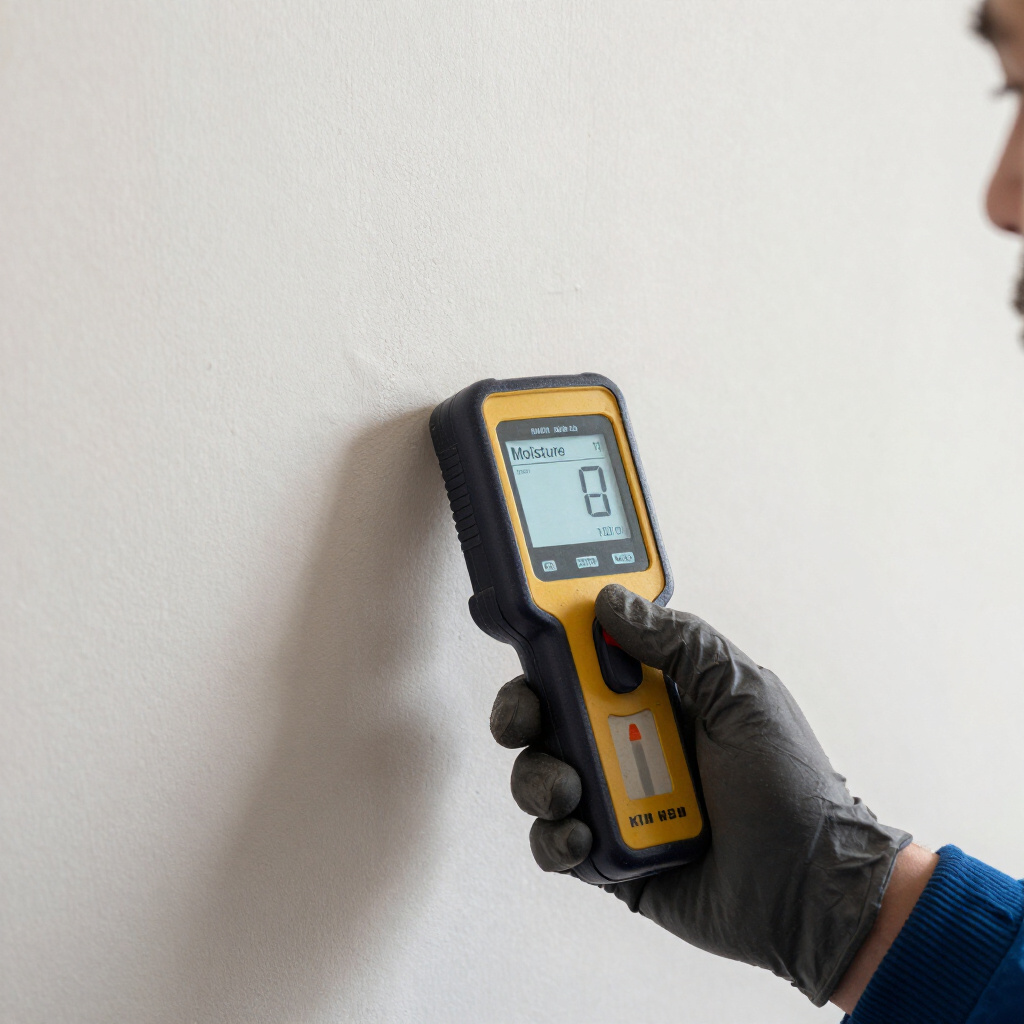
For these scenarios, DIY water damage cleanup is reasonable if you act fast—within the first 24 hours—and the water hasn't soaked into walls, cabinets, or subflooring. You'll need a wet/dry vacuum, plenty of fans, a dehumidifier, and the ability to remove and dry damp materials thoroughly. Open windows if weather permits, and monitor moisture levels with a simple moisture meter from the hardware store.
However, DIY carries real risks that many homeowners underestimate. Water travels along baseboards, seeps behind drywall, and pools in crawl spaces you might never think to check. Surface drying often masks deeper saturation. By the time you notice warping, buckling, or that telltale musty smell, mold has already established colonies and structural damage may be underway.
Another consideration: your physical capacity and available time. Water damage cleanup is exhausting, messy work. If you're juggling work, family, and sleep deprivation, your "quick weekend fix" can stretch into weeks of incomplete mitigation.
Professional Water Damage Restoration: What the Experts Bring
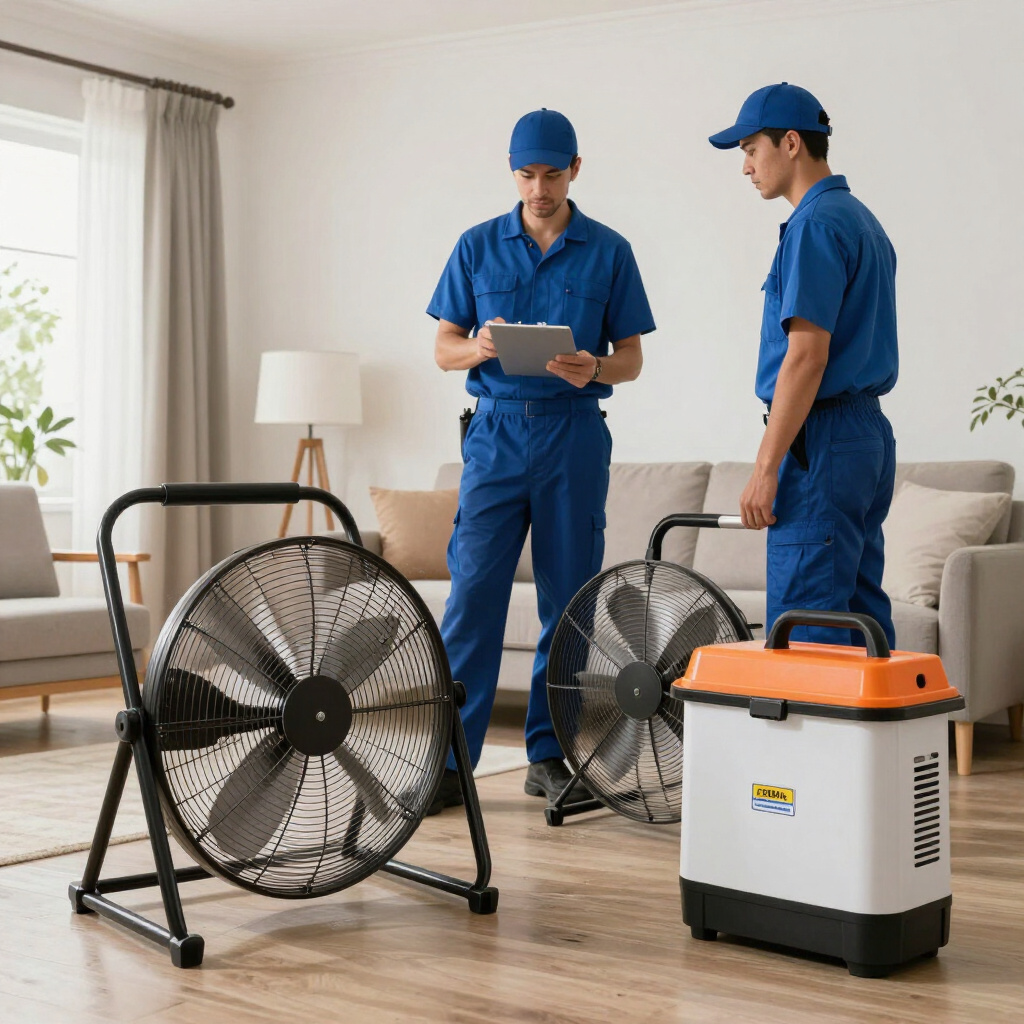
Professional restoration teams transform chaos into controlled recovery through specialized equipment, trained expertise, and systematic processes you simply cannot replicate from a hardware store run.
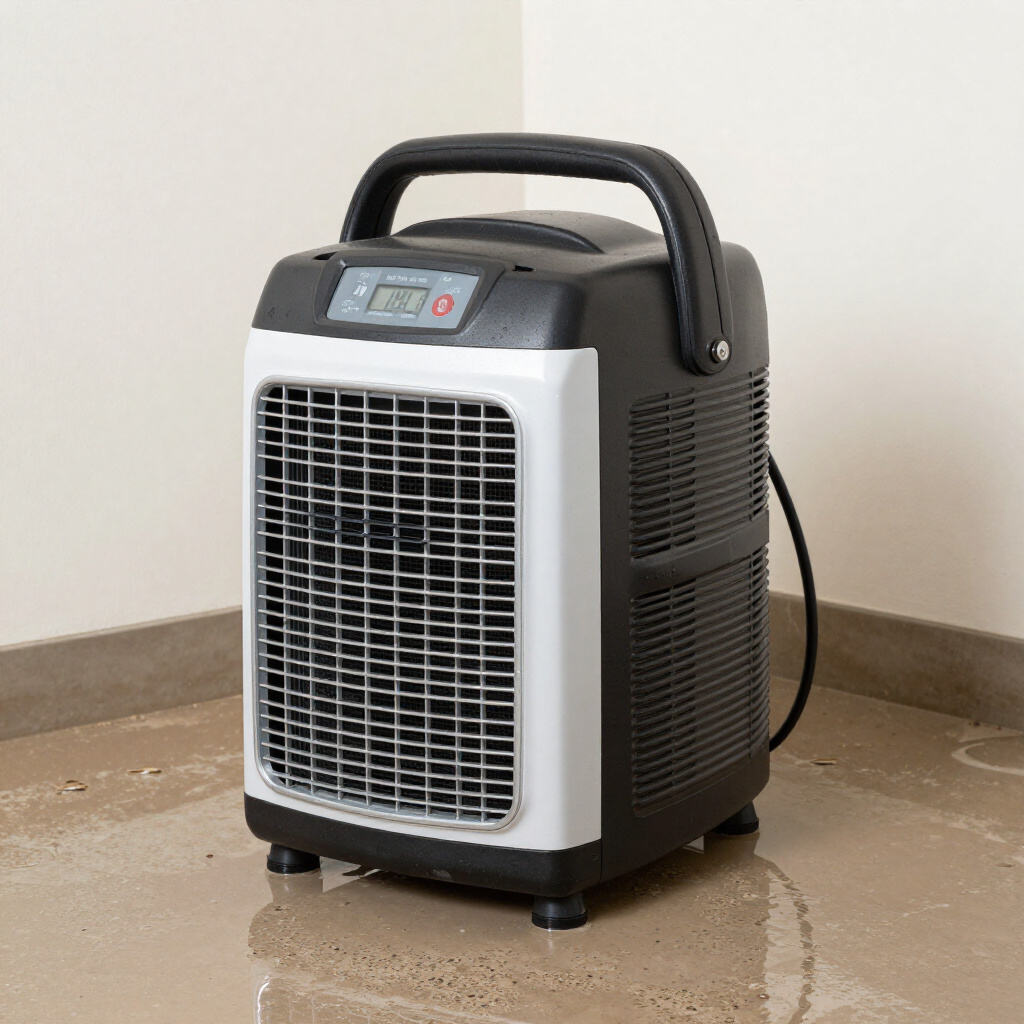
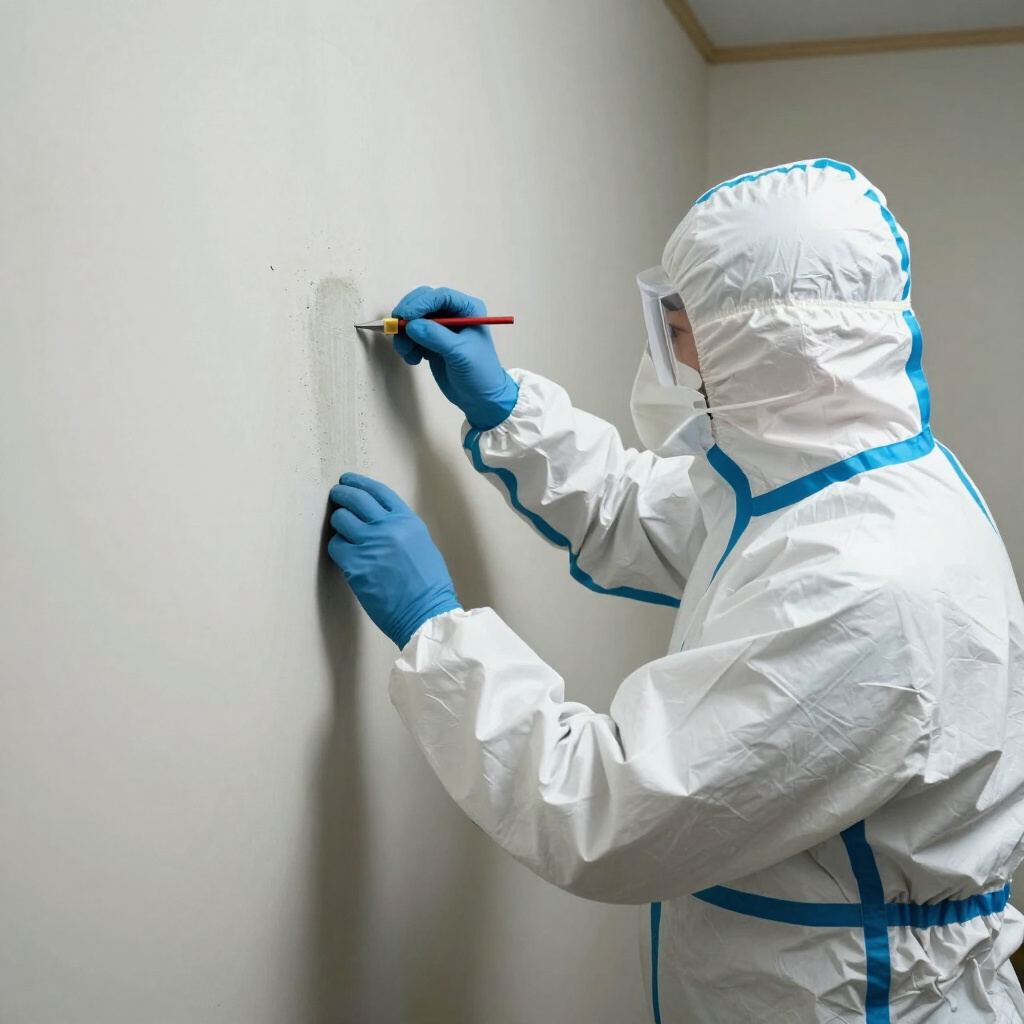
Industrial-grade extraction units remove water exponentially faster than consumer wet/dry vacuums. Commercial air movers and dehumidifiers create optimal drying conditions. Thermal imaging cameras detect hidden moisture behind walls and under flooring. Antimicrobial treatments prevent mold at the source. Most importantly, professionals understand building science—how different materials absorb and release moisture, where water migrates, and how to establish drying goals that actually protect your structure.
Certified technicians follow IICRC standards (Institute of Inspection, Cleaning and Restoration Certification), ensuring documented, defensible work. This matters immensely for insurance claims. A professional water damage cleanup provides detailed logs, moisture readings, and photographic evidence that streamline your claim and maximize coverage.
When should you absolutely call professionals? Category 2 or 3 water (gray or black water from sewage, flooding, or dishwasher leaks), water affecting multiple rooms, any ceiling involvement, saturation lasting more than 24 hours, or if anyone in your home has respiratory sensitivities. These situations pose genuine health hazards and structural risks that demand professional containment and remediation.
The Hidden Costs of Choosing Wrong
DIY water damage cleanup that goes sideways gets expensive fast. Homeowners who attempt partial mitigation often face mold remediation costs that dwarf initial restoration quotes. Insurance companies may deny claims for subsequent damage if documentation shows inadequate initial response. One couple in a newer subdivision learned this painfully: their "successful" DIY basement drying missed saturated insulation behind finished walls. Six months later, black mold required complete gutting of a recently remodeled space—$34,000 uncovered by insurance due to delayed reporting.
Conversely, professional services for genuinely minor incidents can feel wasteful. The minimum dispatch fee, often $500-$800, stings when you genuinely needed only a fan and patience. The key is honest assessment of scope, contamination level, and your own capacity for thoroughness.
Key Tips for Making Your Decision
Start with honest triage. Ask yourself: What's the water source? How long has it been flowing? How many rooms are affected? Is the water potentially contaminated? Can I physically remove and dry all affected materials within 24 hours?
If you proceed DIY, don't half-measure. Remove baseboards, drill drainage holes in sagging drywall, pull up carpet padding, and run dehumidifiers continuously—not just when you're home. Check adjacent rooms, closets, and the level below. Moisture meters are inexpensive and essential; readings above 16% in wood or 1% in drywall mean continued drying is needed.
When calling professionals, verify IICRC certification, ask about their moisture monitoring documentation process, and confirm they bill directly to insurance if applicable. Reputable companies perform thorough assessments before starting work and explain their drying plan clearly.
Document everything from minute one. Photographs, videos, and timestamps protect you regardless of which path you choose. Your future self—and potentially your insurance adjuster—will thank you.
Final Thoughts
DIY water damage cleanup versus professional restoration isn't about pride or penny-pinching—it's about matching the response to the reality of your situation. Small, clean, quickly addressed incidents with vigilant homeowners can resolve through determined DIY effort. Anything beyond that threshold deserves professional expertise that protects your home's integrity, your family's health, and your financial wellbeing.
When uncertainty exists, most reputable restoration companies offer free assessments. There's wisdom in getting that professional eye, even if you ultimately handle the work yourself. Water damage rarely improves with waiting, and the cost of over-preparation pales against the cost of remediation gone wrong. Trust your gut, but verify with expertise—your home's future depends on getting this call right.