

Few things strike fear into a homeowner's heart quite like the sight of water pooling where it doesn't belong. Your basement—often the most overlooked part of your home—can transform from a functional storage space or cozy retreat into a costly disaster zone in a matter of hours. Understanding the common causes of basement flooding isn't just about protecting your property; it's about preserving your peace of mind and preventing the long-term structural damage, mold growth, and health hazards that follow unwanted moisture. Whether you've experienced a basement flood before or simply want to stay ahead of potential problems, this guide will help you identify the risks lurking around and beneath your home.
Common Causes of Basement Flooding Start Outside Your Home
Water always follows the path of least resistance, and unfortunately, that path often leads straight to your basement. One of the most frequent culprits is improper grading around your foundation. When the soil slopes toward your home rather than away from it, rainwater and melting snow naturally collect against your basement walls, eventually finding any available crack or seam to seep through. Over time, this constant hydrostatic pressure can compromise even well-constructed foundations. Your gutter and downspout system plays a critical role here too. Clogged gutters overflow, dumping water directly against your foundation. Downspouts that terminate too close to your home—rather than extending four to six feet away—create concentrated saturation zones that overwhelm your soil's natural drainage capacity. Add missing or damaged downspout extensions, and you've created a direct channel for water to infiltrate your basement. Window wells present another exterior vulnerability. These recessed areas around basement windows collect leaves, debris, and standing water. Without proper drainage or well-maintained covers, they essentially become reservoirs that press against your window seals and frames, leading to leaks that many homeowners mistake for internal plumbing failures.
Foundation Failures and Structural Weaknesses
No foundation lasts forever, and the common causes of basement flooding frequently trace back to structural deterioration. Concrete foundations develop cracks from natural settling, freeze-thaw cycles, and ground movement. While hairline cracks may seem insignificant, they widen over time and provide entry points for water under pressure. Mortar joints in block foundations are particularly susceptible. As mortar ages, it becomes porous and crumbles, creating gaps between blocks. Water doesn't need much space—a crack the width of a credit card can admit significant moisture during heavy rains or when groundwater levels rise. The foundation wall-floor joint, where your basement walls meet the slab, represents a common flooding pathway. This cold joint isn't watertight, and under hydrostatic pressure from saturated soil, water can literally bubble up through this seam, giving the appearance that water is coming up through your floor. Sump pump failures compound these structural vulnerabilities. Your sump pit and pump system exists specifically to manage groundwater, but when pumps burn out, float switches jam, or power outages occur during storms, water that would normally be actively expelled instead accumulates rapidly. Battery backup systems and regular maintenance can prevent these scenarios from becoming disasters.
Plumbing and Internal System Breakdowns
Not all basement flooding originates from outside. Internal plumbing failures account for a significant portion of water damage incidents and often cause the most destructive flooding simply because they go unnoticed for hours or days while homeowners are away. Aging water heaters frequently fail catastrophically, releasing fifty or more gallons of water in moments. Located in basements for convenience and space considerations, these appliances pose substantial risk as they approach the end of their typical lifespan. Similarly, washing machine hoses—especially the older rubber variety—can burst under pressure, releasing water at full supply line pressure until someone discovers the problem. Frozen and burst pipes represent a seasonal threat in colder climates. Basements, particularly unfinished ones with minimal insulation, allow pipes to reach freezing temperatures. When water expands as it freezes, pipe seams rupture, and the subsequent thaw releases water continuously until the supply is shut off. Sewer backups present perhaps the most distressing basement flooding scenario. Municipal sewer systems overwhelmed by heavy rainfall can flow backward through your home's connection, or tree roots can infiltrate and block your lateral line. The resulting black water intrusion introduces serious contamination concerns beyond mere water damage, requiring specialized cleanup protocols and often triggering health department involvement.
Key Tips for Prevention and Early Detection
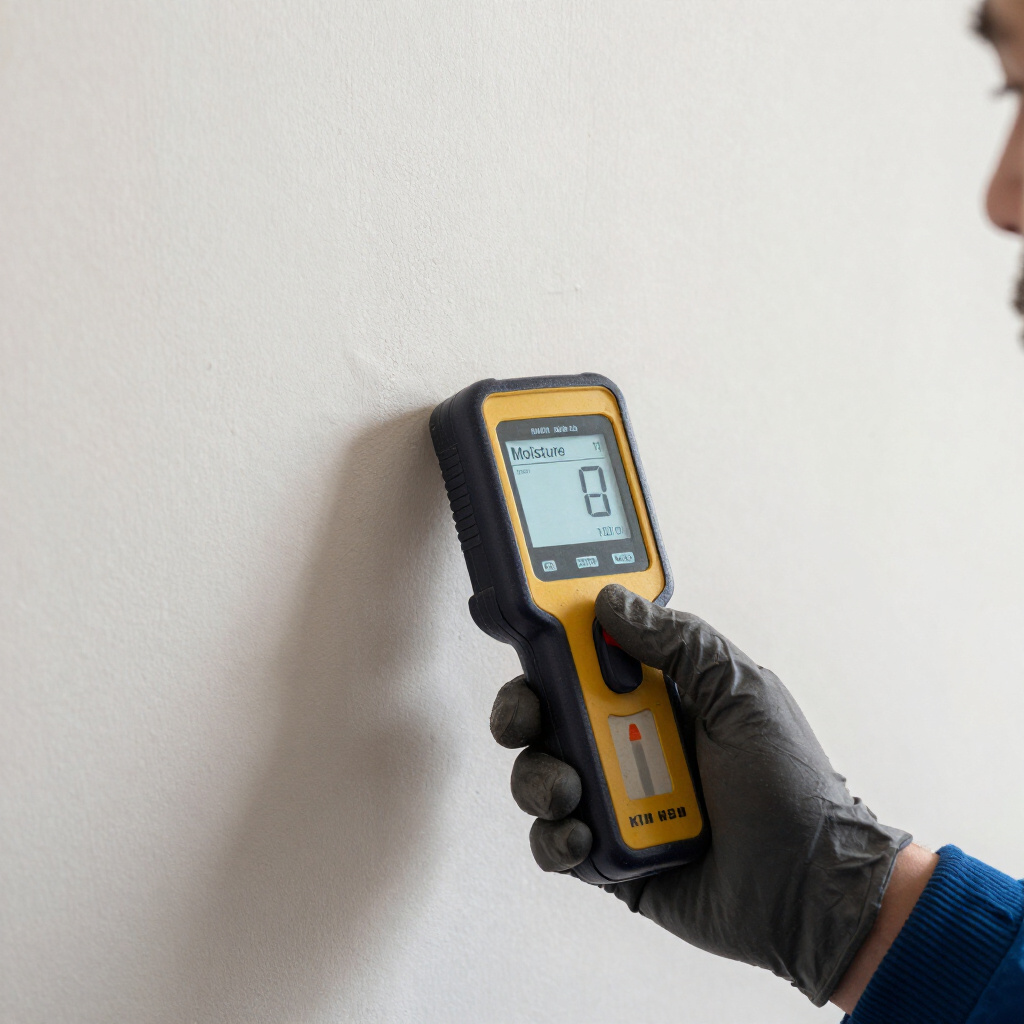
Protecting your basement requires vigilance, but the investment pays substantial dividends compared to remediation costs. Start with a thorough exterior inspection every spring and fall. Verify positive grading away from your foundation, clean gutters meticulously, and ensure downspouts channel water well beyond your home's perimeter. Consider underground drainage systems if surface grading alone cannot achieve adequate slope. Inside, install water detection devices near your sump pit, water heater, washing machine, and any other potential failure points. Modern smart sensors can alert your phone instantly, buying precious time to shut off water supplies or arrange emergency assistance before significant damage accumulates. Test your sump pump quarterly by pouring water into the pit until the float activates the pump. Clean the intake screen, check the discharge line for obstructions, and verify that water exits properly away from your foundation. Replace pumps every seven to ten years proactively rather than waiting for failure during a critical storm event. For sewer backup protection, install a backwater valve on your main sewer line if permitted in your municipality. These mechanical devices allow sewage to flow out while preventing reverse flow during system overloads. Combined with avoiding flushing grease, wipes, and other clog-inducing materials, this significantly reduces your backup risk. Finally, maintain detailed records of your basement's normal condition. Photograph walls, floors, and mechanical systems regularly. This baseline documentation proves invaluable for insurance claims and helps you notice subtle changes—efflorescence on walls, musty odors, or slight discoloration—that signal emerging problems before full flooding develops.
Final Thoughts
Basement flooding rarely strikes without warning; rather, it typically results from predictable vulnerabilities that accumulate over time. By understanding the common causes of basement flooding—from exterior drainage shortcomings and foundation weaknesses to internal plumbing failures and sewer complications—you position yourself to address risks proactively rather than reactively. The most effective protection strategy combines multiple layers: proper site drainage, vigilant maintenance, early detection technology, and appropriate insurance coverage including sewer backup riders. No single measure guarantees immunity, but together they dramatically reduce both your flooding probability and the severity of events that do occur. If you notice persistent dampness, recurring seepage, or any signs of water intrusion, don't delay professional assessment. Small problems escalate quickly, and the cost of early intervention pales against the expense of major flood restoration, mold remediation, and structural repair. Your basement deserves the same attentive care you give your home's more visible spaces—because what happens below ultimately affects everything above.